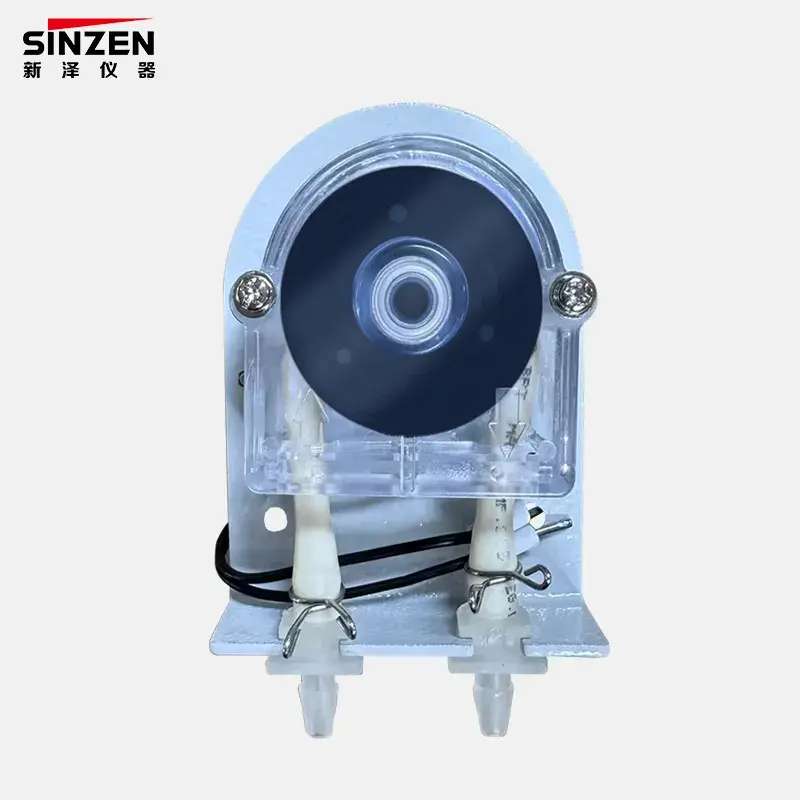
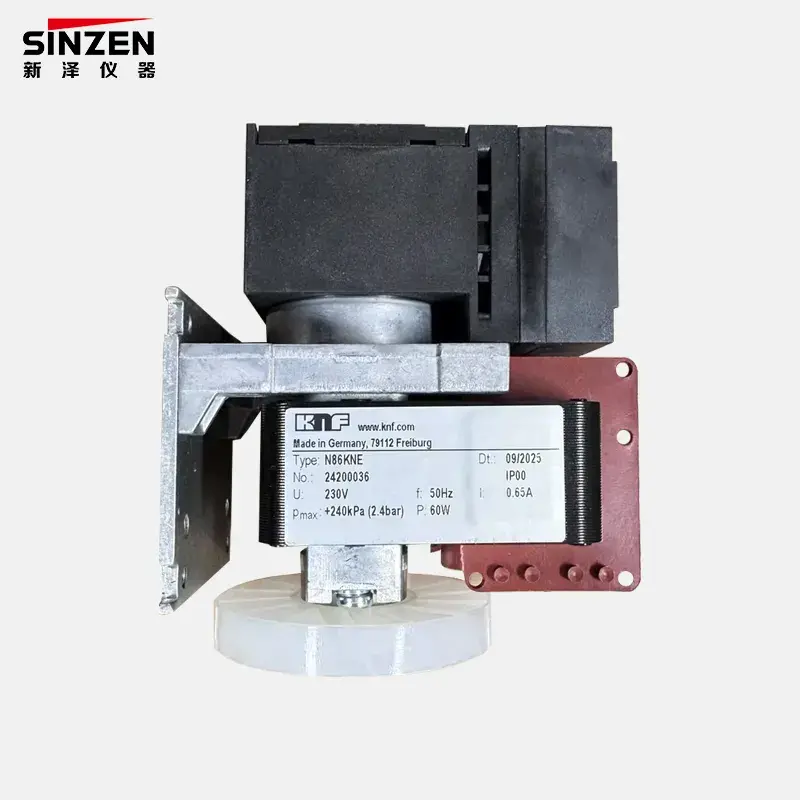
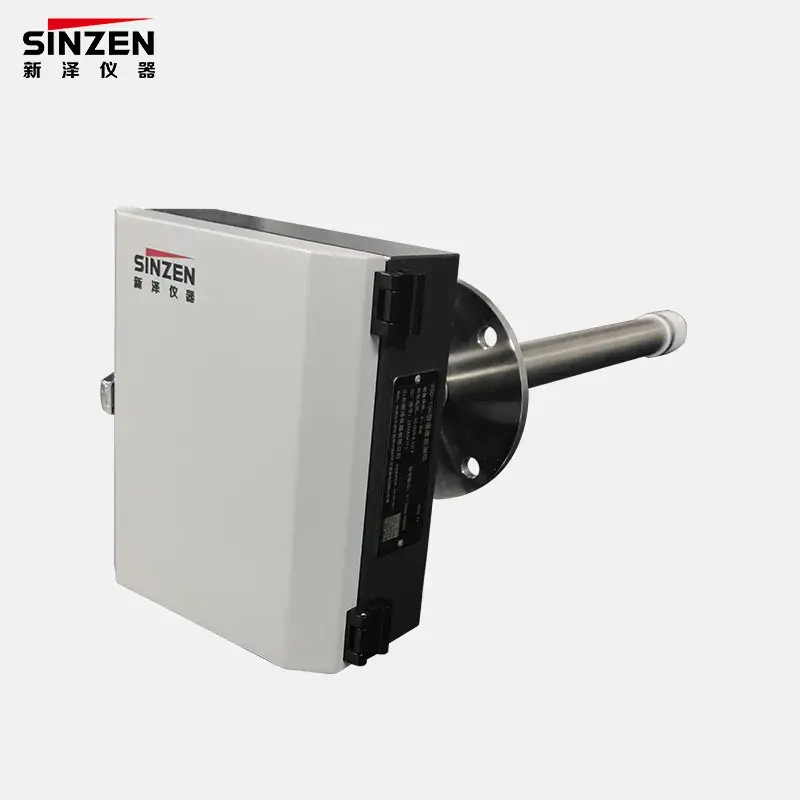
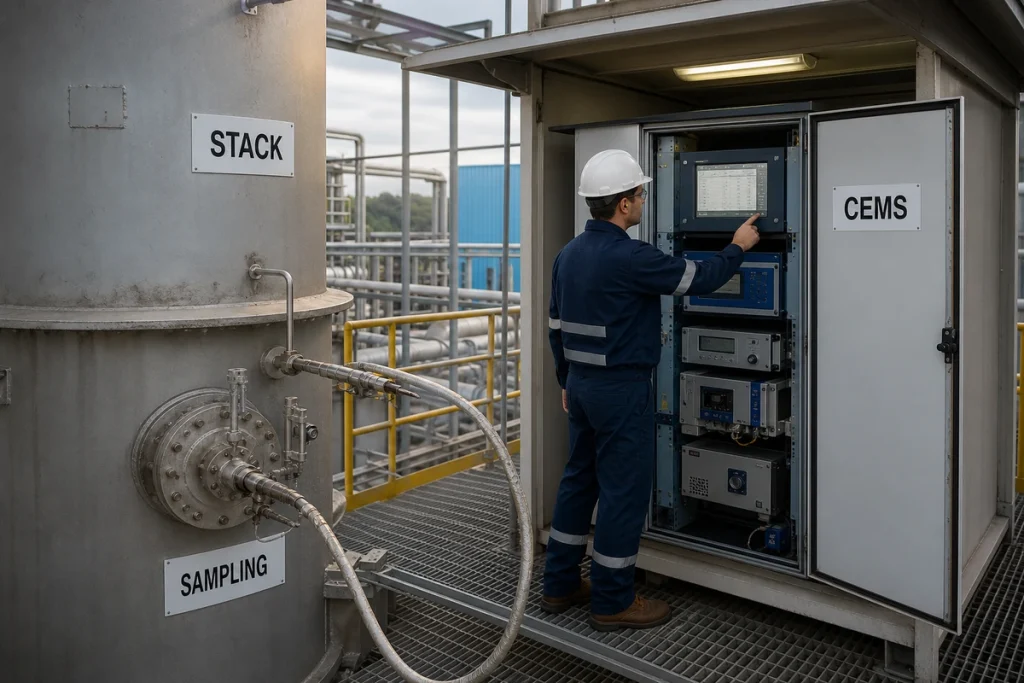
Flue gas analyzer price changes because an industrial measurement package is more than the analyzer cell. The quotation may include a probe, filter, heated sample line, cooler or other moisture treatment, pump, valves, calibration hardware, cabinet, data interface, installation, and commissioning. Gas composition, dust, moisture, temperature, pressure, measuring ranges, and reporting requirements determine the conditioning system.
What Flue Gas Analyzer Price May Include
| Scope item | Cost and performance impact |
| Analyzer channels and ranges | Changes measurement technology and configuration |
| Extraction probe and filter | Must suit stack temperature and particulate loading |
| Heated sample line | Helps control condensation for relevant applications |
| Moisture treatment | Can protect components but may affect soluble gases |
| Pump, valves, and flow control | Determines sample transport and sequencing |
| Calibration gas equipment | Supports zero/span checks and quality procedures |
| Cabinet and utilities | Adds environmental protection and integration |
| Data acquisition/interface | Connects results to plant or reporting systems |
| Installation and commissioning | Converts supplied equipment into an operating system |
An “analyzer only” price and a complete installed-system price are therefore not comparable.
Define the Measurement Duty First
Provide the process, fuel, stack location, expected normal and upset conditions, and the purpose of measurement. Compliance monitoring, combustion control, process optimization, and periodic checking can require different architectures and evidence.
For every measured component, state:
- normal, minimum, and maximum concentration;
- required unit;
- wet or dry reporting basis;
- oxygen-reference correction if applicable;
- required detection limit, accuracy, and response time;
- applicable method, regulation, or project specification.
Do not ask suppliers to select ranges from a generic phrase such as “boiler flue gas.” The same process type can have very different concentrations.
Why the Probe and Sample Line Matter
The sampling system must extract a representative sample without creating uncontrolled reactions, losses, leakage, blockage, or condensation. Selection depends on:
- stack gas and ambient temperatures;
- dust concentration and particle characteristics;
- water and acid dew points;
- sample-line distance and routing;
- pressure at the sampling point;
- corrosive or reactive components;
- maintenance access.
A heated probe or line may be required when condensation would alter the sample or obstruct transport. The required temperature and materials should come from the application analysis, not a universal setting.
Moisture Control Can Change the Entire System
Removing moisture protects downstream equipment in some extractive systems, but it can also remove or alter water-soluble target components. Buyers should ask suppliers to explain the sample path and how moisture treatment affects every measured gas.
Possible approaches include conditioned dry extraction, hot-wet measurement, dilution, or other application-specific arrangements. Their equipment, utilities, maintenance, and reporting basis differ. This is one reason apparently similar analyzer quotations can vary substantially.
Dust, Corrosion, and Interference Add Design Work
High particulate loading can require filtration, blowback, or additional maintenance provisions. Corrosive gases influence wetted materials. Cross-interferences can affect measurement technology and compensation.
Ask the bidder to state:
- measurement principle for each channel;
- known relevant interferents;
- materials in contact with the sample;
- filtration and cleaning method;
- expected consumables and maintenance interval;
- response-time definition and test boundary.
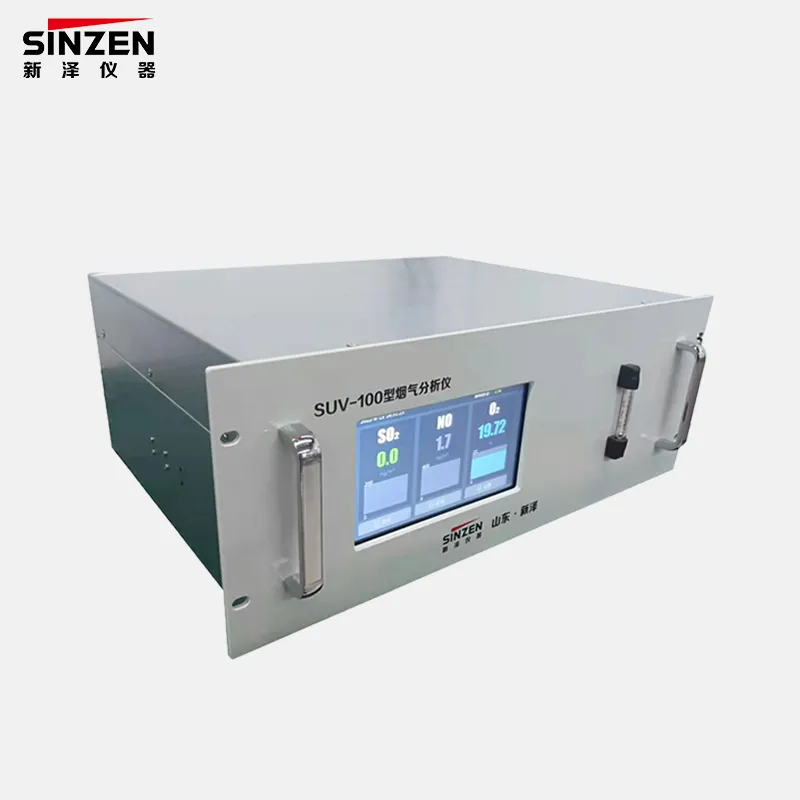
The flue gas analyzer product page is a starting point; final configuration should follow the actual gas matrix and site conditions.
Calibration, Data, and Service Affect Price
A complete scope may include zero and span gas connections, regulators, solenoid valves, automatic validation, calibration certificates, alarms, local display, remote I/O, communications, and data acquisition.
Clarify whether the supplier price includes:
- factory testing;
- site installation supervision;
- commissioning and performance checks;
- operator and maintenance training;
- initial calibration gases or regulators;
- spare filters and consumables;
- remote support and local service;
- documentation in the required language.
These line items should be visible rather than hidden inside a single total.
Make Flue Gas Analyzer RFQs Comparable
Issue one scope sheet to every bidder:
- process and fuel description;
- sampling-point drawing and access;
- gas components, ranges, units, and reporting basis;
- temperature, pressure, moisture, dust, and corrosive components;
- ambient conditions and hazardous-area classification, if applicable;
- line length and routing;
- required accuracy, response, uptime, and validation;
- utilities and electrical supply;
- analog, digital, and data-system interfaces;
- cabinet and installation requirements;
- required standards and documentation;
- commissioning, training, spares, warranty, and service;
- delivery location and schedule.
Require a scope matrix listing inclusions, exclusions, assumptions, and optional items. The lowest headline price may have the largest integration gap.
Make Commercial Quotations Comparable
Require each bidder to itemize analyzer modules, probe, sample line, conditioning, filtration, calibration equipment, shelter or cabinet, data system, installation, commissioning, training, consumables, spare parts, and service. The supplier should state minimum order quantity, customization boundaries, measurement and environmental standards, requested certification or test evidence, packaging, lead time, warranty, and maintenance intervals. Compare flue gas analyzer price only after normalizing measured components, ranges, sample conditions, compliance duty, documentation, installation boundary, and lifecycle support.
Frequently Asked Questions
Why can two analyzers for the same gases have different prices?
Ranges, measurement principles, interference handling, sample conditions, certification scope, data features, and service can differ even when the gas names match.
Is a portable analyzer comparable with a continuous system?
Usually not without a detailed duty comparison. Sampling, unattended operation, validation, environmental protection, and data integration may be fundamentally different.
Does every flue gas system need a heated line?
No. The need and temperature depend on the sample, target gases, dew points, line routing, and measurement architecture.
Should calibration equipment be included?
Include it when required by the measurement plan. Define automatic or manual checks, gas connections, frequency, and who supplies consumables.
Can a supplier quote from gas names alone?
Only a rough budget indication. A reliable proposal requires ranges, matrix conditions, sampling details, performance requirements, and site scope.
Request a Scope-Based Quotation
Explore Sinzen’s flue gas analyzer range and broader gas analyzer options and submit the gas matrix, ranges, stack conditions, sample-line details, reporting basis, and service scope through the contact page. This allows the analyzer and sample-conditioning system to be quoted as one working package.