Ask ten plant engineers which flue gas analyzer is the best, and you will receive ten different answers — because the right instrument depends entirely on what you are measuring, where you are measuring it, and what you need to do with the data. A technician tuning a commercial boiler needs something very different from a power plant that must report emissions to a regulator around the clock.
This guide explains how flue gas analyzers work, what separates a good instrument from a great one, and how to match a portable analyzer or a complete Environmental Flue Gas Monitoring System to your specific application — so you can buy with confidence instead of guesswork.
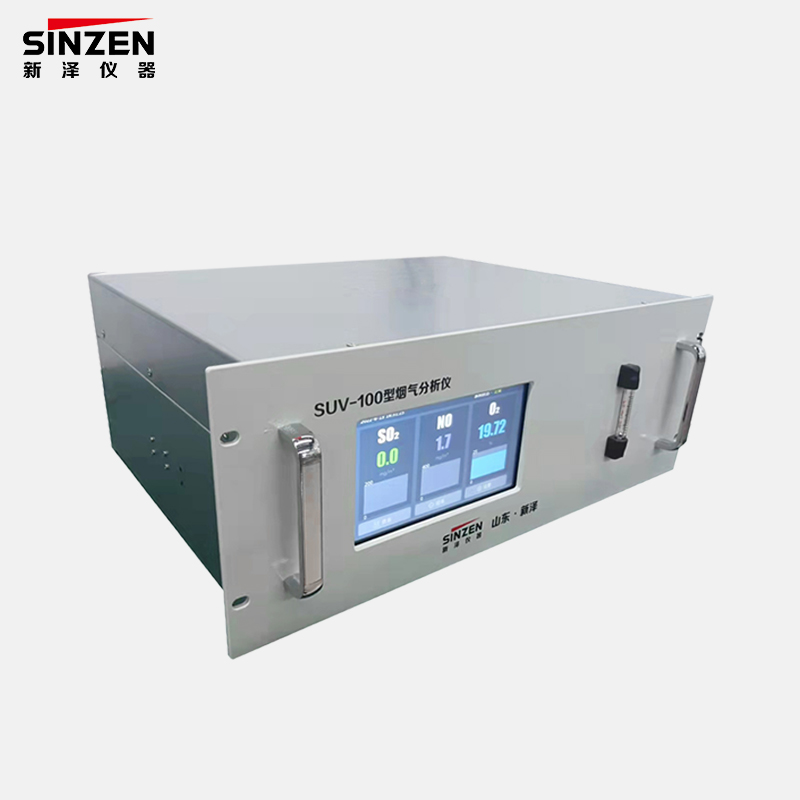
A flue gas analyzer is an instrument that measures the composition of the exhaust gas leaving a combustion or industrial process. Depending on the model, it can measure oxygen (O₂), carbon monoxide (CO), carbon dioxide (CO₂), nitrogen oxides (NOₓ), sulfur dioxide (SO₂), and a range of other parameters such as stack gas temperature and draft pressure.
These measurements serve three main purposes:
- Combustion optimization. Oxygen and CO readings tell an operator how completely fuel is being burned, supporting adjustments that save fuel and reduce emissions.
- Emission compliance. Analyzers verify that pollutant concentrations stay within legal limits set by the local environmental authority.
- Process and safety control. In many industrial processes, flue gas composition is a direct indicator of process health, and abnormal readings warn of unsafe conditions.
Flue gas analyzers range from small handheld single-gas testers to multi-gas portable instruments and full continuous emission monitoring systems (CEMS).
Portable Analyzer or Continuous Monitoring System?
Before comparing models, decide which type of analyzer the job actually needs.
Portable flue gas analyzers are battery-powered instruments used for spot measurements. They are the standard tool for boiler and burner maintenance, combustion tuning, and periodic stack testing. For regulated periodic measurements of emissions from stationary sources, the European standard EN 15267-4 defines the performance criteria and test procedures for portable automated measuring systems — the same standard behind the UK MCERTS certification for handheld emissions monitoring systems. For servicing domestic and commercial heating appliances, the EN 50379 series specifies the performance requirements of portable flue gas testing equipment. Portable analyzers offer mobility and lower cost, but they cannot produce the continuous, unattended record that many permits require.
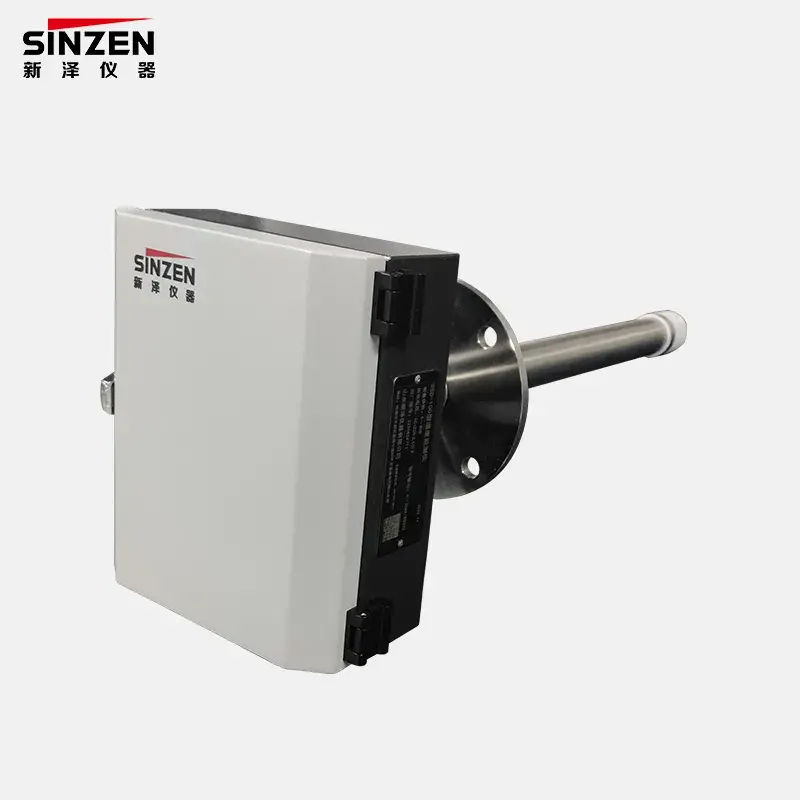
Continuous emission monitoring systems are installed directly on the stack or duct and measure pollutant concentrations around the clock. The data is collected by a data acquisition and handling system (DAHS), which validates readings, calculates averages and mass emission rates, and generates the reports submitted to regulators. A CEMS is the core of an Environmental Flue Gas Monitoring System, and it becomes mandatory wherever legislation demands continuous data — for example, under EPA 40 CFR Parts 60 and 75 in the United States, under the Industrial Emissions Directive and EN 14181 in the European Union, or under the HJ 75 and HJ 76 standards in China.
What Parameters Can a Flue Gas Analyzer Measure?
The configuration of an analyzer depends on the process and the applicable regulations. The most common parameters are:
- Oxygen (O₂) — the key indicator of combustion efficiency and excess air.
- Carbon monoxide (CO) — indicates incomplete combustion; also a safety concern.
- Carbon dioxide (CO₂) — a combustion product and a greenhouse gas of growing regulatory interest.
- Nitrogen oxides (NOₓ) — formed at high combustion temperatures; tightly regulated at power plants, boilers and engines.
- Sulfur dioxide (SO₂) — produced when sulfur-bearing fuels are burned; a primary acid-rain pollutant.
- Stack temperature and draft — needed to calculate efficiency and mass emission rates.
- Optional parameters — hydrogen sulfide (H₂S), ammonia slip (NH₃), hydrogen chloride (HCl), total volatile organic compounds (VOCs), and particulate matter, depending on the process.
No single analyzer measures everything. The best flue gas analyzer is the one configured for the specific gas matrix, concentration range and duty cycle of your application.
Measurement Technologies at a Glance
Flue gas analyzers use different measurement principles, and the choice of technology affects accuracy, maintenance and price:
- Electrochemical cells — compact and economical, common in portable analyzers for O₂, CO, NO and SO₂; sensor life and cross-interference must be managed.
- Non-dispersive infrared (NDIR) — a stable, proven method for CO, CO₂, SO₂ and NO, widely used in both portable and continuous instruments.
- Chemiluminescence — the method of choice for accurate low-level NOₓ measurement in demanding compliance applications.
- Flame ionization detection (FID) — the reference technique for measuring total volatile organic compounds.
- Paramagnetic and zirconia sensors — reliable approaches for oxygen measurement in continuous systems.
- Tunable diode laser absorption spectroscopy (TDLAS) — fast, low-drift, in-situ measurement for gases such as NH₃, HCl and O₂, ideal for high-dust or high-corrosion flue gas.
How to Choose the Best Flue Gas Analyzer: 8 Practical Criteria
When you compare models, work through these criteria in order:
- Define the parameters and ranges. Start from the emission limits or process targets you must meet, then specify the gases and concentration ranges the analyzer must cover.
- Choose the right platform. Decide between a portable analyzer and a continuous system based on the measurement duty — spot checks versus around-the-clock compliance data.
- Check accuracy, repeatability and resolution. Verify that the instrument can measure your expected concentrations with sufficient precision, especially near the emission limit.
- Consider response time. Fast response matters for tuning work and process control; slower measurement is acceptable for reporting averages.
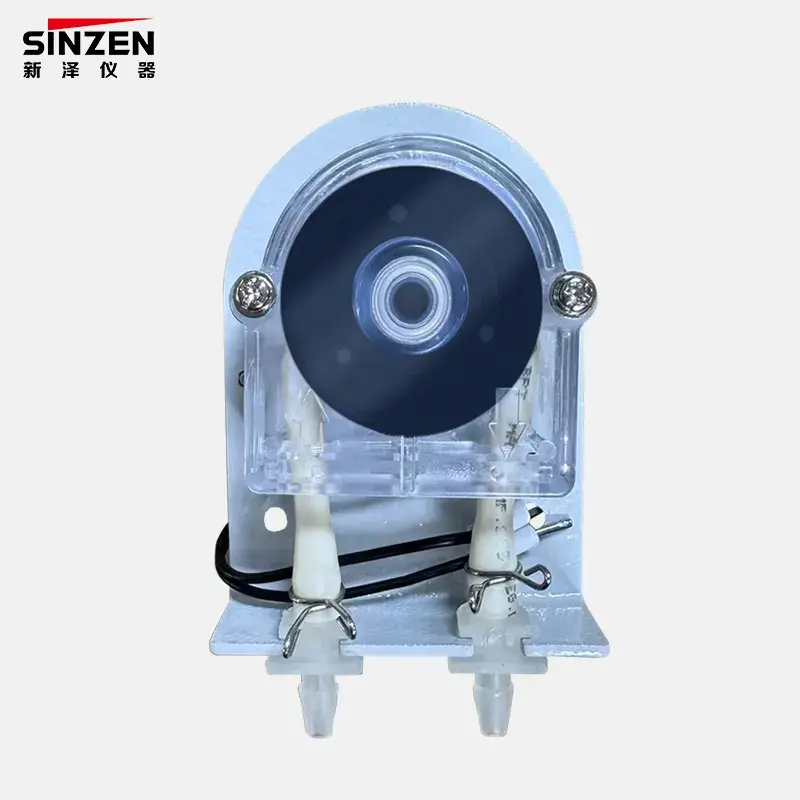
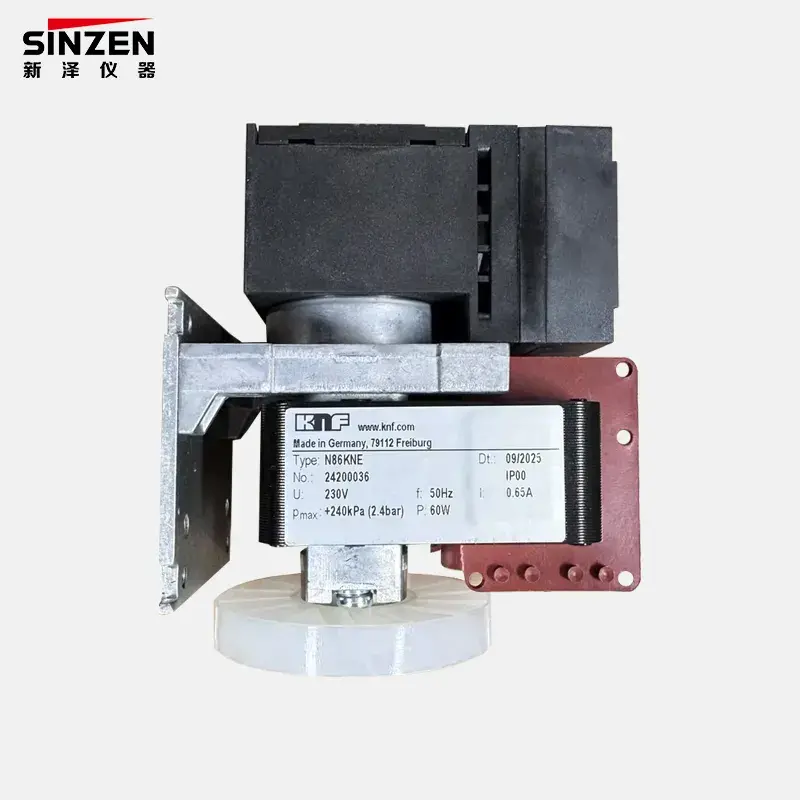
- Evaluate sample conditioning. Wet, dusty or corrosive flue gas demands proper filtering and drying (for example, a cold dry method conditioner) to protect the sensors and keep readings reliable.
- Verify standards and certifications. For regulated work, confirm that the instrument meets the relevant standard — such as EN 15267-4 / MCERTS for portable emission monitoring, EN 50379 for heating-appliance testing, or the performance requirements in Chinese HJ 76 — and ask the manufacturer for documented evidence.
- Check data management. Logging, export formats and, for continuous systems, DAHS reporting capability determine how easily the data turns into compliance evidence.
- Compare support and total cost of ownership. Purchase price is only the beginning. Compare sensor life, consumables, calibration gases, maintenance effort, spare parts availability and manufacturer service.
What Makes a Good Environmental Flue Gas Monitoring System?
An analyzer is only one part of the answer. For continuous compliance and process oversight, what matters is the whole Environmental Flue Gas Monitoring System — the instrument, the sample conditioning, the calibration and quality-assurance routines, the data handling, and the engineering that ties them together.
A good system is one that:
- Stays accurate over time. Reliable sample conditioning and routine zero/span checks keep drift under control, so the data stays defensible month after month.
- Stays online. Uptime is everything when a regulator can ask for data at any moment. Systems fail more often in sample handling than in the analyzer itself.
- Produces usable data. The DAHS must validate readings, handle missing data, calculate averages and emission rates, and generate the report formats the regulator expects.
- Is supported for its full life. Commissioning, training, spare parts and responsive after-sales service determine real-world performance far more than the spec sheet does.
Why Buy from a Manufacturer Like SINZEN?
Flue gas analysis is a long-term investment in a harsh environment, which is why many plant owners prefer to buy directly from a manufacturer with its own research, development and production capabilities.
Shandong SINZEN Instrument Co., Ltd., based in Jinan, Shandong Province, is a high-tech enterprise specializing in the research, development, production, sales and after-sales service of environmental online monitoring systems, gas analyzers and process analysis systems. SINZEN’s product range includes CEMS based on the cold dry method, greenhouse gas (CO₂) online continuous monitoring systems, ammonia slip monitoring equipment, integrated extractive particulate matter monitors, VOCs continuous monitoring systems, and industrial gas analysis systems for the iron and steel metallurgical industry. The company holds ISO 9001, ISO 14001 and ISO 45001 management-system certifications, as well as CCEP China Environmental Protection Product Certification and CES China Environmental Service Certification, and is a member of the China Environmental Protection Industry Association. Its solutions serve environmental monitoring, new energy and air separation, process and safety control, and greenhouse gas emission monitoring applications — supported by free pre-sales technical consultation, commissioning assistance and a dedicated after-sales hotline.
Conclusion
There is no universal “best” flue gas analyzer — only the best choice for your application. Start from the parameters and standards you must satisfy, choose the right portable or continuous platform, compare accuracy and reliability, and never underestimate the value of manufacturer support. For continuous compliance, remember that you are really selecting an Environmental Flue Gas Monitoring System, not just an analyzer.
If you are evaluating flue gas analyzers or planning a complete monitoring solution, our engineers can help you define the parameters, compare the options, and select equipment that fits both your process and your regulatory obligations. Contact SINZEN to discuss your requirements —
contact us for equipment selection and technical consultation.
Frequently Asked Questions
What does a flue gas analyzer measure?
Typically O₂, CO, CO₂, NOₓ and SO₂, plus stack temperature and draft. Optional sensors add H₂S, NH₃, HCl, VOCs or particulate measurement depending on the process.
Which is better: a portable analyzer or a continuous system?
It depends on the job. Portable analyzers are ideal for boiler tuning, maintenance and periodic testing; continuous emission monitoring systems are required where regulations demand around-the-clock compliance data.
How often should a flue gas analyzer be calibrated?
Portable analyzers are usually checked against calibration gas before each test or per the manufacturer’s schedule; continuous systems follow the quality-assurance requirements of the applicable standard, with routine zero/span checks and periodic in-situ calibration.
Do I need a certified flue gas analyzer?
If the measurements are used for regulatory compliance, yes. Check whether your jurisdiction requires type approval or certification — for example, EN 15267-4 / MCERTS for portable emission monitoring in Europe and the UK, or the performance requirements of HJ 76 in China.