CEMS Selection Guide: How to Choose Between Hot-Wet, Cold-Dry and Hybrid Solutions

2026-05-26

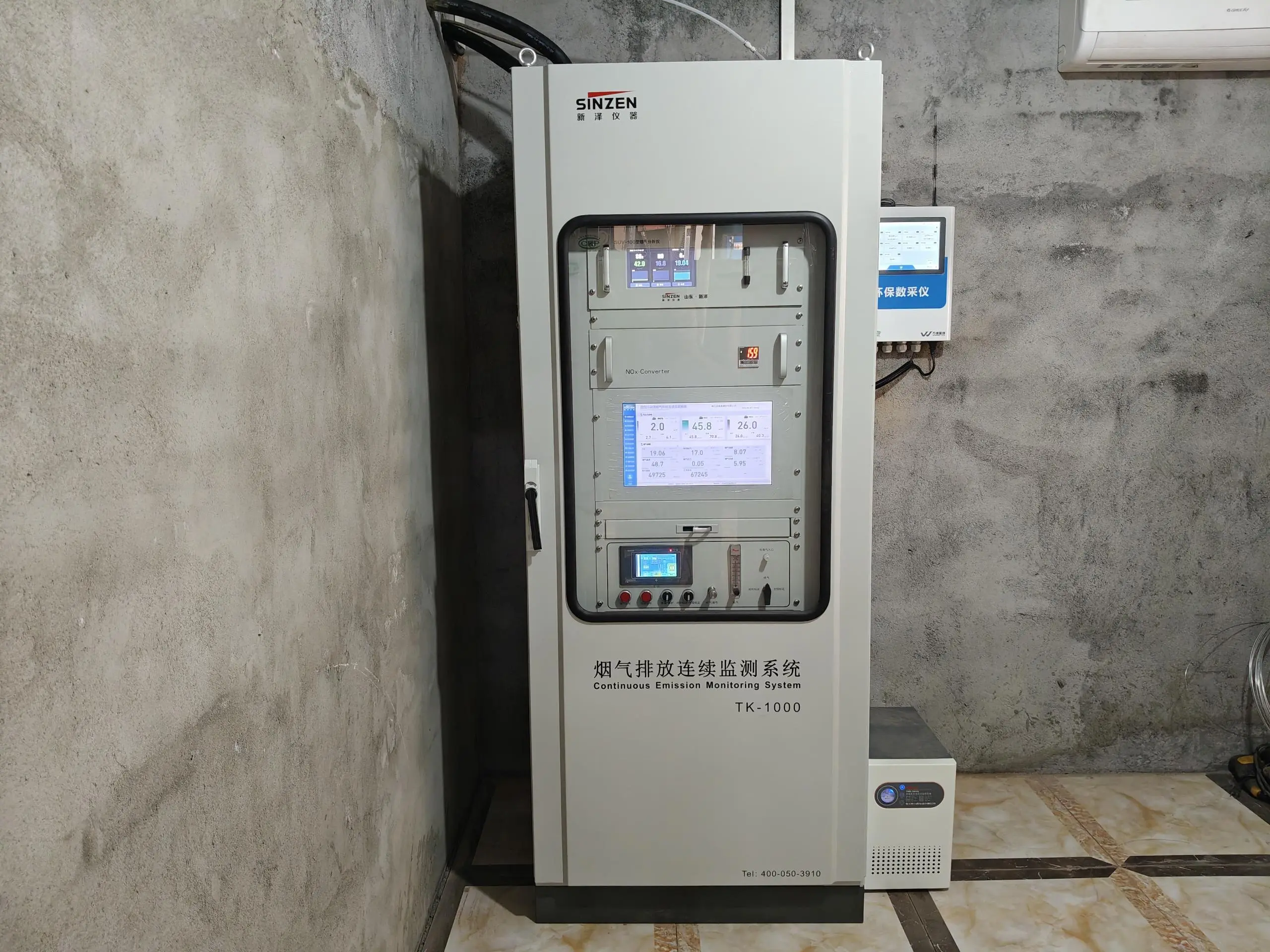
The core principle of CEMS selection is simple: there is no universally best technology, only the most suitable solution for a specific process and flue gas condition. The value of a professional supplier lies in understanding the full product line and recommending an objective, technically matched configuration for each site.

1. Three Main CEMS Technology Routes

1.1 Full Hot-Wet Method: UV DOAS With Zirconia Oxygen Measurement

Principle: the sample gas is kept above 140 deg C from sampling to analysis, and pollutant concentrations are measured on a wet basis. Oxygen is typically measured with a zirconia oxygen analyzer. In simple terms, the hot-wet method allows the sample gas to enter the analyzer while preserving its original condition as much as possible.

  • High-temperature pump sampling: the system does not rely on ejector-pump sampling, which makes leak checking and routine maintenance easier.
  • Highest data fidelity: continuous high-temperature sampling avoids dissolution loss of water-soluble gases such as SO2 and NH3, allowing the analyzer to measure the original wet-basis concentration in the flue.
  • Fast system response: because there is no dehumidification process and the gas path is shorter, the analyzer can respond more quickly to process fluctuations.
  • No condensate wastewater: the method avoids secondary pollution from acidic condensate and reduces wastewater handling requirements.
  • Mature and reliable technology: the system structure is relatively simple, supporting stable long-term operation.

Hot-wet CEMS is especially suitable for process control, desulfurization and denitrification efficiency calculation, wet-basis compliance assessment and applications where the true gas-phase condition must be preserved.

1.2 Cold-Dry Method: UV DOAS With Electrochemical Oxygen Measurement

Principle: after sampling, the sample gas is rapidly condensed to approximately 4 deg C to remove most of the moisture, and pollutant concentrations are measured on a dry basis. Oxygen is usually measured by an electrochemical oxygen analyzer. The cold-dry method creates a clean, dry and stable measurement environment for precision analysis.

  • Excellent corrosion resistance: for flue gas containing highly corrosive components such as HF, HCl or H2SO4 vapor, rapid condensation removes much of the acidic moisture and helps protect the sampling probe, pipeline, pump, valves and analyzer.
  • Strong ability to manage complex interference: the pretreatment platform can support multi-stage and multi-path configurations, which is useful when H2S, organics and other interfering components coexist.
  • Stable measurement conditions: deeply purified and dried sample gas provides a more stable optical environment for UV DOAS analyzers, reduces baseline drift and improves the signal-to-noise ratio.
  • Reliable oxygen data: electrochemical oxygen measurement is not affected by combustible gas components such as CO and H2, providing a dependable O2 value for emissions conversion.

1.3 Hybrid Solution: Hot-Wet Pollutant Measurement Plus Cold-Dry Oxygen Measurement

The hybrid solution follows the idea of preserving the main gas path while obtaining a more reliable oxygen value through a side path. Gas pollutants such as SO2, NO and NO2 are measured by the full hot-wet method with UV DOAS technology, while O2 is measured after the sample gas is condensed and dried in a bypass, typically with an electrochemical or paramagnetic oxygen analyzer.

  • Pollutant data fidelity plus accurate oxygen measurement: the main path preserves the original wet-basis concentration of SO2 and NOx while the bypass avoids the limitations of zirconia oxygen measurement under high-CO conditions.
  • Highly targeted for specific industries: the solution is particularly suitable for electrolytic aluminum, lime kilns, ceramic kilns and other sites where high CO makes zirconia oxygen measurement unreliable.
  • Balanced reliability and maintenance cost: compared with a full hot-wet system, the hybrid route can replace zirconia oxygen measurement with a simpler oxygen analyzer. Compared with a full cold-dry system, only the O2 bypass requires dehumidification.
  • Higher overall data credibility: because O2 is used in concentration conversion for environmental assessment, accurate oxygen data directly improves the credibility of the final converted emissions concentrations.


2. Application Analysis and Recommended Solutions

2.1 When Full Hot-Wet CEMS Is the First Choice

Choose the full hot-wet method when the priority is to preserve the original authenticity of gas concentrations and avoid gas loss during condensation.

  • Standard coal-fired or gas-fired boilers with relatively simple and stable flue gas composition.
  • Sites with strict wet-basis concentration assessment requirements, where direct wet-basis measurement avoids conversion errors caused by moisture fluctuations.
  • High-moisture applications where the key pollutants include water-soluble gases such as SO2 or NH3.
  • Typical industries include conventional power plants, ammonia desulfurization systems in chemical plants and fertilizer plants, SNCR/SCR denitrification units, some waste incineration sites under wet-basis regulations, and sintering or pelletizing processes that require true SO2 monitoring before and after desulfurization.

2.2 When Cold-Dry CEMS Is More Suitable

Choose the cold-dry method when the sample gas is complex or harsh and the system must protect the analyzer while obtaining stable, reliable dry-basis data.

  • High concentrations of corrosive acidic gases such as HF and HCl. Even with high-temperature optical components, these gases can corrode sampling lines, pumps and valves. Cold-dry pretreatment can fundamentally improve system protection.
  • Complex flue gas with cross interference, such as H2S and organics existing together. A flexible pretreatment platform can support multi-path measurement and staged treatment to separate interference.
  • Typical applications include petrochemical sour water stripping units, sulfur recovery tail gas, phosphate fertilizer and yellow phosphorus production, most municipal solid waste incineration plants, hazardous waste incineration, biomass boilers, coking plants, tire recycling and other sites using medium oil or coke as fuel.

2.3 When a Hybrid CEMS Solution Is Recommended

Choose the hybrid solution when the site requires both high-fidelity pollutant measurement and highly reliable oxygen data, especially when zirconia oxygen measurement is not suitable.

  • High concentrations of combustible gases such as CO, H2 or CH4. The hot-wet main path preserves SO2 and NOx authenticity, while the cold-dry oxygen bypass provides an accurate O2 value that is not affected by combustible gases.
  • Sites where zirconia oxygen analyzers are unsuitable or maintenance-intensive. Electrochemical or paramagnetic oxygen measurement can reduce energy use and maintenance complexity.
  • General applications requiring high-fidelity pollutant data while using O2 mainly as a conversion parameter. This is often a cost-effective and reliable strategy.
  • Typical industries include electrolytic aluminum, lead, zinc and copper smelting, lime kilns and rotary kilns, magnesia and dolomite calcination kilns, steel sintering, pelletizing, steelmaking and hot-rolling furnaces, carbon and electrode baking furnaces, certain chemical process tail gas sites and ammonia desulfurization applications.

3. CEMS Selection Decision Matrix

Flue Gas or Process Condition Recommended Solution Core Reason Key Configuration
High NH3 concentration Full hot-wet method Best option for preventing gaseous NH3 loss and reflecting true ammonia slip concentration. DOAS analyzer with direct NO2 measurement capability
Wet-basis concentration measurement required Full hot-wet method Direct wet-basis measurement avoids conversion error and provides authoritative data. Standard hot-wet CEMS configuration
High HF, HCl or other strongly corrosive acidic gases Cold-dry method Protects the system from acid-gas corrosion by removing acidic moisture through efficient condensation. Heated sampling, efficient condenser and corrosion-resistant probe
H2S and organics coexist Cold-dry method Supports multi-path and staged pretreatment to separate cross interference and improve true component measurement. Customized pretreatment unit with multiple analyzer configuration
High CO or other combustible gases, with CO typically below 5,000 ppm Hybrid solution Main path preserves pollutant data fidelity; bypass provides accurate O2 data immune to interference. Hot-wet DOAS plus electrochemical or paramagnetic oxygen analyzer
Ultra-low emissions measurement requiring long-term stability Hybrid solution Combines high-fidelity pollutant measurement with stable oxygen measurement and optimized pretreatment. High-precision DOAS analyzer with stable pretreatment
General working conditions requiring cost performance and reliability Hybrid solution Balances pollutant authenticity and oxygen accuracy for the highest overall data credibility. Hot-wet DOAS plus electrochemical or paramagnetic oxygen analyzer
CEMS Selection Guide

4. Frequently Asked Questions for CEMS Selection

Is the hot-wet method always better than the cold-dry method?

No. The hot-wet method is excellent for preserving original wet-basis gas concentrations, especially for SO2, NH3 and process-control applications. However, in highly corrosive or highly complex flue gas conditions, the cold-dry method may provide better system protection and long-term stability.

Why is oxygen measurement so important in CEMS?

Oxygen data is used for emissions concentration conversion. If the O2 value is inaccurate, the final converted pollutant concentration may also be unreliable. This is why hybrid CEMS solutions are valuable in high-CO conditions where zirconia oxygen measurement can be affected.

What is the best way to choose a CEMS solution?

The best approach is to start from the actual process conditions: moisture, corrosive gases, soluble pollutants, combustible gases, cross interference, regulatory basis and maintenance requirements. A technically matched CEMS solution should be selected only after these site conditions are understood.

Send Your Inquiry Today

    * Name

    *Email

    Phone / WhatsAPP / WeChat

    * What I have to say.


    Home
    Products
    About Us
    Contacts

    Please leave us a message

      * Name

      *Email

      Phone / WhatsAPP / WeChat

      * What I have to say.