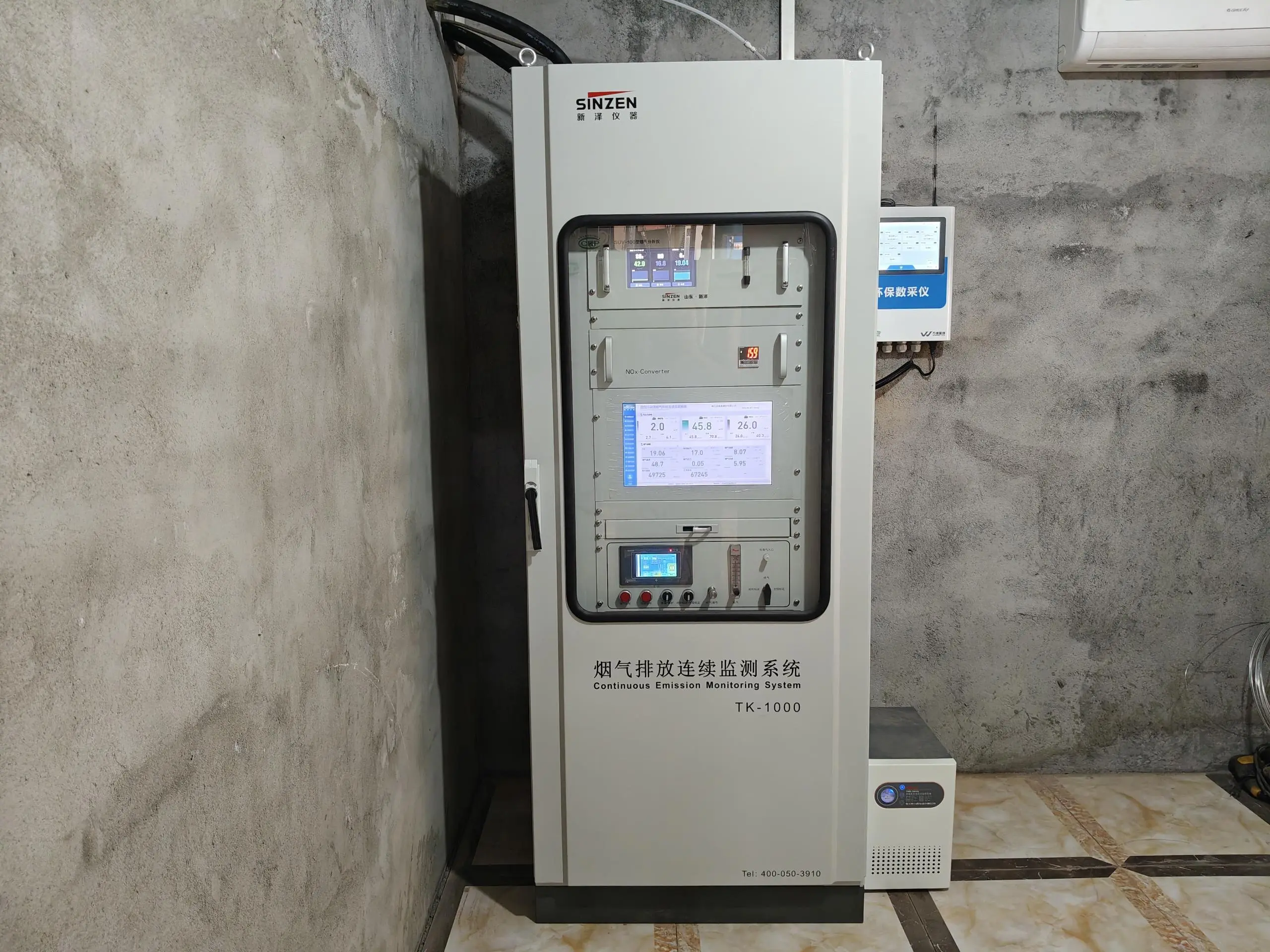
1.1 Full Hot-Wet Method: UV DOAS With Zirconia Oxygen Measurement
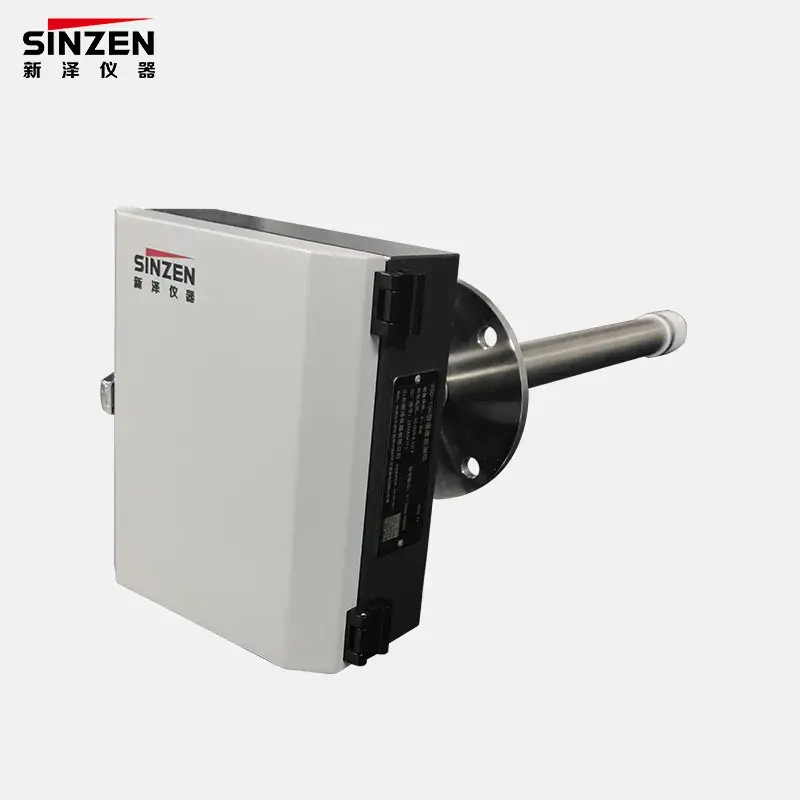
Principle: the sample gas is kept above 140 deg C from sampling to analysis, and pollutant concentrations are measured on a wet basis. Oxygen is typically measured with a zirconia oxygen analyzer. In simple terms, the hot-wet method allows the sample gas to enter the analyzer while preserving its original condition as much as possible.
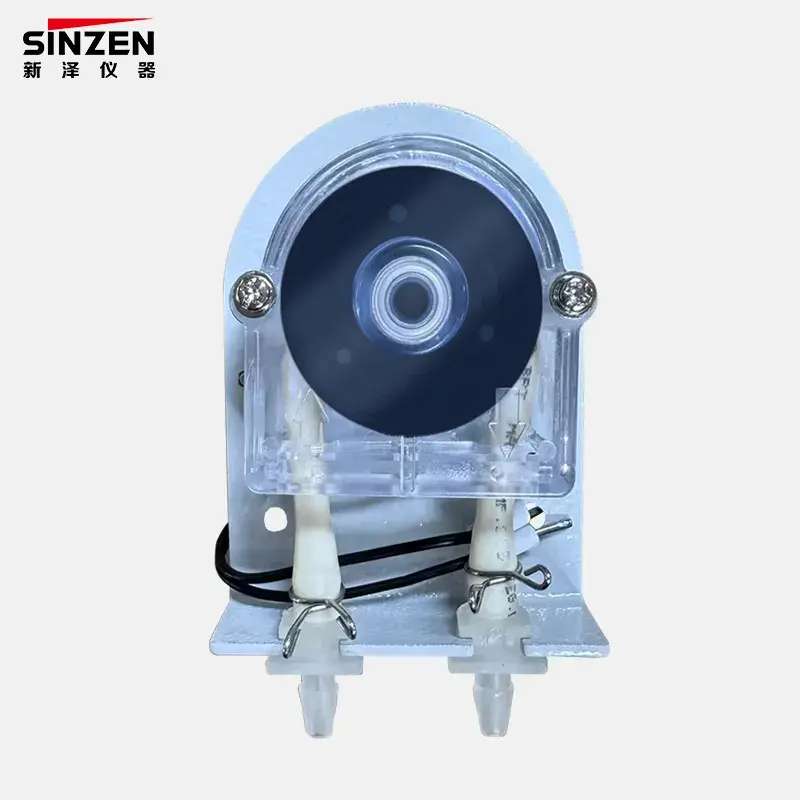
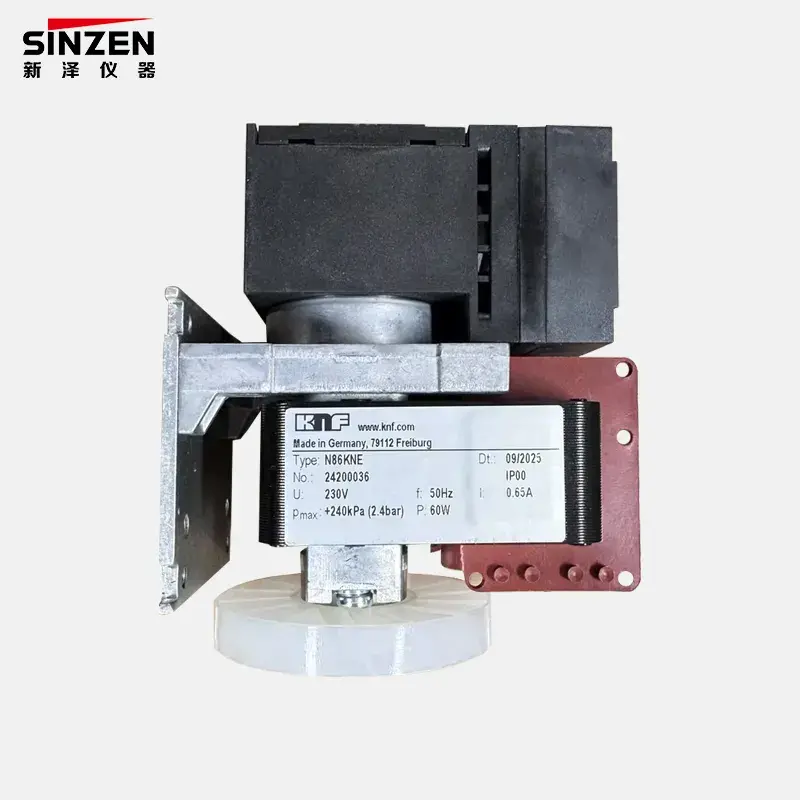
- High-temperature pump sampling: the system does not rely on ejector-pump sampling, which makes leak checking and routine maintenance easier.
- Highest data fidelity: continuous high-temperature sampling avoids dissolution loss of water-soluble gases such as SO2 and NH3, allowing the analyzer to measure the original wet-basis concentration in the flue.
- Fast system response: because there is no dehumidification process and the gas path is shorter, the analyzer can respond more quickly to process fluctuations.
- No condensate wastewater: the method avoids secondary pollution from acidic condensate and reduces wastewater handling requirements.
- Mature and reliable technology: the system structure is relatively simple, supporting stable long-term operation.
Hot-wet CEMS is especially suitable for process control, desulfurization and denitrification efficiency calculation, wet-basis compliance assessment and applications where the true gas-phase condition must be preserved.
1.2 Cold-Dry Method: UV DOAS With Electrochemical Oxygen Measurement
Principle: after sampling, the sample gas is rapidly condensed to approximately 4 deg C to remove most of the moisture, and pollutant concentrations are measured on a dry basis. Oxygen is usually measured by an electrochemical oxygen analyzer. The cold-dry method creates a clean, dry and stable measurement environment for precision analysis.
- Excellent corrosion resistance: for flue gas containing highly corrosive components such as HF, HCl or H2SO4 vapor, rapid condensation removes much of the acidic moisture and helps protect the sampling probe, pipeline, pump, valves and analyzer.
- Strong ability to manage complex interference: the pretreatment platform can support multi-stage and multi-path configurations, which is useful when H2S, organics and other interfering components coexist.
- Stable measurement conditions: deeply purified and dried sample gas provides a more stable optical environment for UV DOAS analyzers, reduces baseline drift and improves the signal-to-noise ratio.
- Reliable oxygen data: electrochemical oxygen measurement is not affected by combustible gas components such as CO and H2, providing a dependable O2 value for emissions conversion.
1.3 Hybrid Solution: Hot-Wet Pollutant Measurement Plus Cold-Dry Oxygen Measurement
The hybrid solution follows the idea of preserving the main gas path while obtaining a more reliable oxygen value through a side path. Gas pollutants such as SO2, NO and NO2 are measured by the full hot-wet method with UV DOAS technology, while O2 is measured after the sample gas is condensed and dried in a bypass, typically with an electrochemical or paramagnetic oxygen analyzer.
- Pollutant data fidelity plus accurate oxygen measurement: the main path preserves the original wet-basis concentration of SO2 and NOx while the bypass avoids the limitations of zirconia oxygen measurement under high-CO conditions.
- Highly targeted for specific industries: the solution is particularly suitable for electrolytic aluminum, lime kilns, ceramic kilns and other sites where high CO makes zirconia oxygen measurement unreliable.
- Balanced reliability and maintenance cost: compared with a full hot-wet system, the hybrid route can replace zirconia oxygen measurement with a simpler oxygen analyzer. Compared with a full cold-dry system, only the O2 bypass requires dehumidification.
- Higher overall data credibility: because O2 is used in concentration conversion for environmental assessment, accurate oxygen data directly improves the credibility of the final converted emissions concentrations.