Direct Answer: A medical oxygen quality monitoring system should be specified around the hospital oxygen source, required quality indicators, sampling location, measurement continuity, alarm and data interfaces, verification method, maintenance access, and applicable project requirements. Buyers should evaluate the complete monitoring chain rather than selecting an analyzer only by product name or oxygen measurement range.
Hospitals and medical-gas projects depend on a stable oxygen supply, but monitoring requirements can differ according to the oxygen source, pipeline layout, project specification, local medical-gas requirements, and the role of the monitoring system.
For hospital owners, medical-gas contractors, EPC companies, distributors, and system integrators, the practical purchasing question is therefore not simply whether an analyzer can measure oxygen. It is whether the complete monitoring arrangement fits the hospital gas-supply architecture and provides usable information for operation, quality verification, and maintenance.
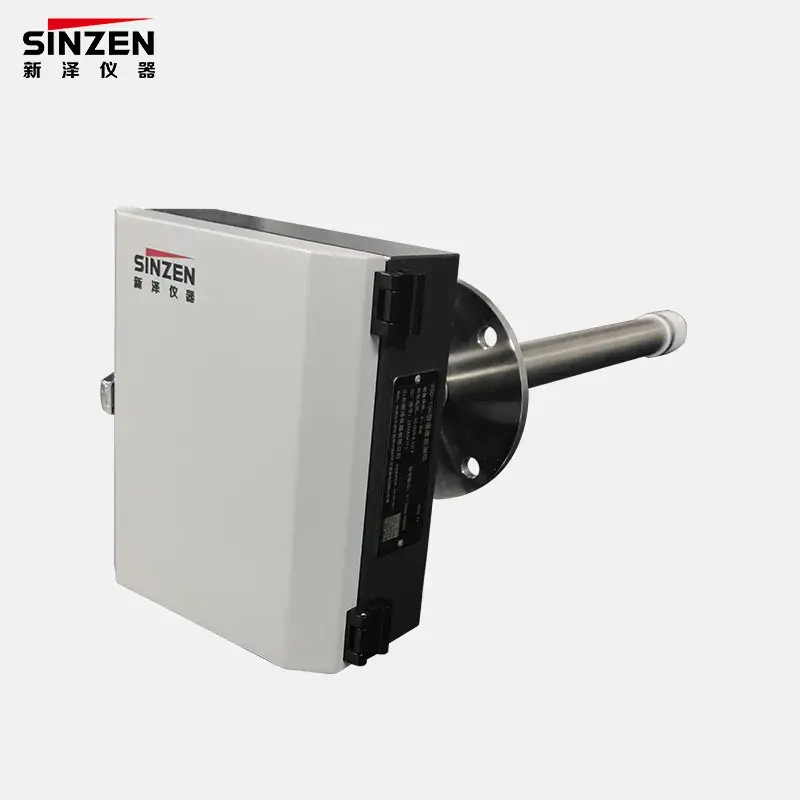
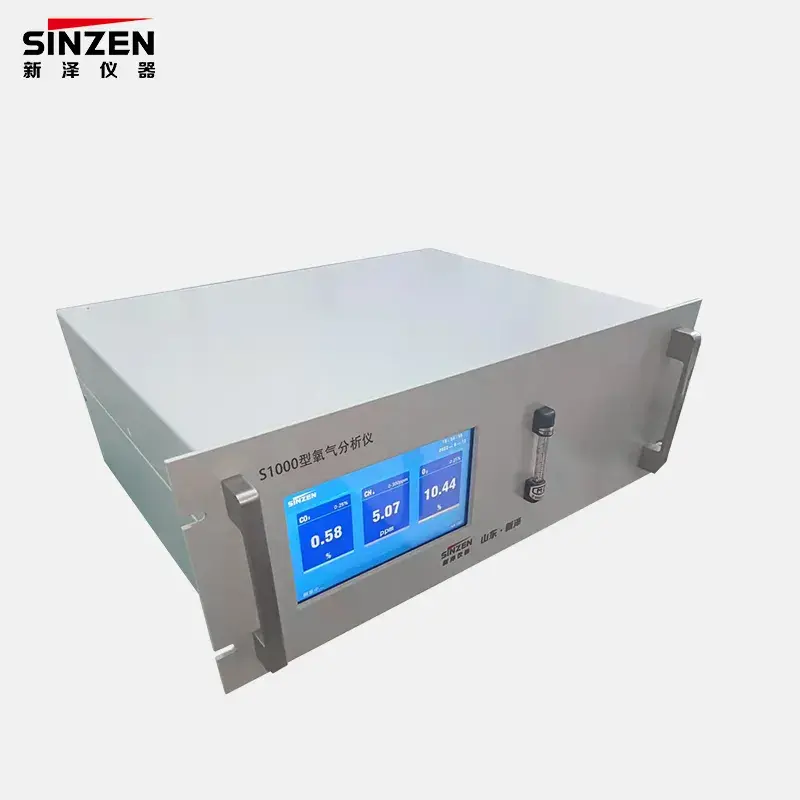
Buyers evaluating this type of project can review SINZEN’s Medical Oxygen Quality Monitoring System together with its Oxygen Analyzer and broader Gas Analysis System range.
What Should the Hospital Define Before Selecting a Monitoring System?
The first step is to define what the measurement is expected to prove or monitor.
Different projects may use oxygen monitoring for different purposes, such as:
- Monitoring the quality of a central oxygen supply
- Verifying oxygen concentration at a defined system point
- Providing continuous trend data to operators
- Supporting alarm or supervisory monitoring
- Checking oxygen supply after generation, storage, manifold, or distribution stages
- Providing measurement data to a hospital engineering or medical-gas management system
These objectives are not automatically equivalent.
A system intended for continuous plant-room monitoring may require a different sampling arrangement, alarm interface, and maintenance strategy from a system used at another point in the medical-gas distribution network.
Where Should Medical Oxygen Be Sampled?
Sampling location is one of the most important design decisions.
The buyer should identify the point in the oxygen supply chain that the measurement is intended to represent.
Depending on the project, this may relate to:
- Oxygen generation equipment
- Storage or supply manifold
- Plant-room distribution outlet
- Main medical-gas pipeline
- A defined downstream verification point
- Another location specified by the project’s medical-gas design
A technically capable analyzer cannot compensate for a poorly chosen sampling point.
For example, measuring close to the oxygen source may provide useful information about generation performance, but it does not automatically represent every downstream point in a complex hospital pipeline.
The project designer should therefore define:
Monitoring objective → Sampling location → Required measurement → Alarm/data use
before final equipment selection.
Which Oxygen Quality Parameters Should Buyers Define?
A frequent RFQ problem is requesting a:
“medical oxygen analyzer”
without defining the exact quality requirement.
The required measurement parameters should come from the project’s applicable standard, hospital specification, medical-gas engineering design, or local regulatory requirement.
Buyers should provide the supplier with:
- Required oxygen measurement
- Any additional quality indicators required by the project
- Normal operating condition
- Required measurement range
- Expected pressure and flow condition at the sampling point
- Required measurement frequency or continuous-monitoring requirement
- Required verification or calibration approach
The supplier should then confirm which configuration is appropriate.
Buyers should avoid assuming that one standard analyzer configuration automatically satisfies every medical-oxygen project.
Continuous Monitoring or Periodic Testing: Which Does the Project Need?
Not every hospital project has the same monitoring philosophy.
A continuous monitoring system may be preferred when operators need:
- Real-time oxygen data
- Trend information
- Alarm integration
- Remote monitoring
- Continuous status visibility
Periodic testing may still form part of quality-management or verification procedures, depending on the project.
These two functions should not be confused.
A continuous analyzer provides ongoing process information, while laboratory or periodic verification may serve a different quality-assurance purpose.
The RFQ should clearly state what the online monitoring system is expected to do.
Why Does Sample Handling Matter in Medical Oxygen Monitoring?
Even when the gas itself is relatively clean compared with many industrial processes, the sampling path still matters.
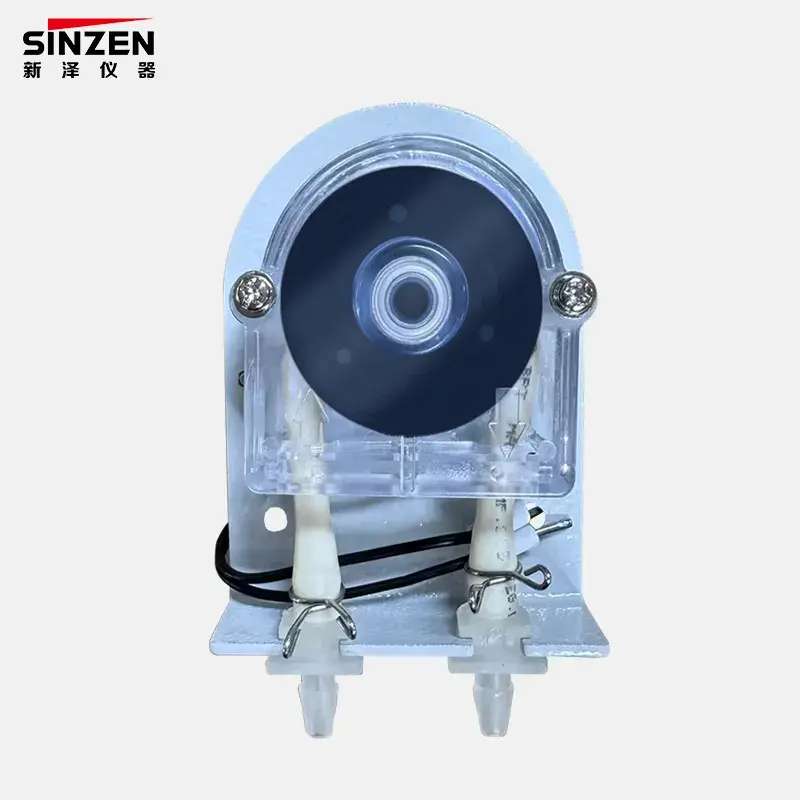
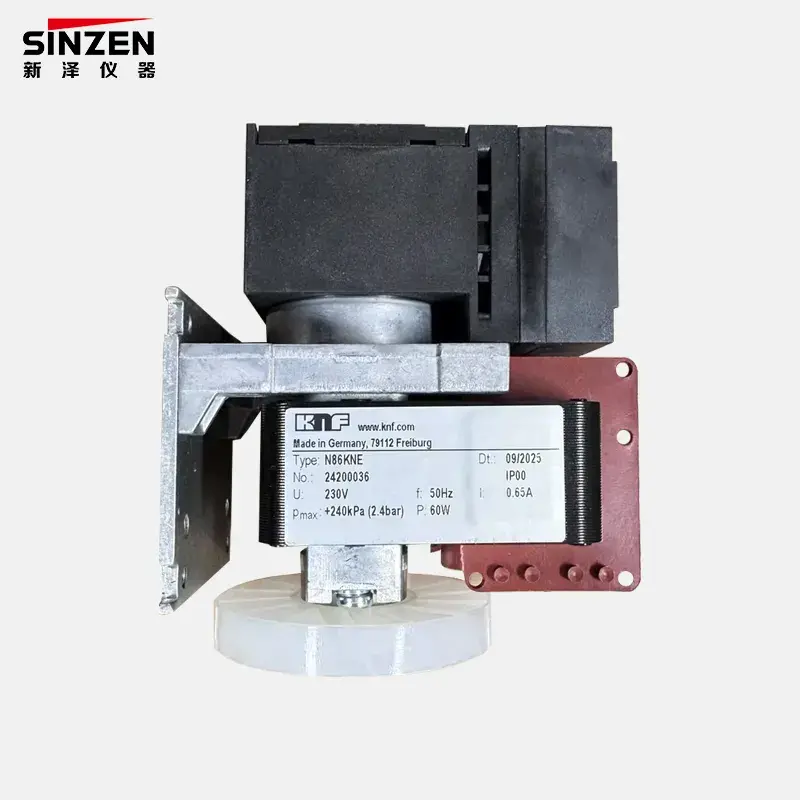
The analyzer supplier should review:
- Sampling pressure
- Required flow
- Tubing arrangement
- Connection material
- Sample isolation
- Venting
- Possible contamination sources
- Distance between sampling point and analyzer
- Maintenance access
An installation problem can create measurement problems even when the analyzer itself is functioning correctly.
| Buyer Check | Why It Matters | RFQ Information |
| Sampling point | Determines what part of the oxygen system is represented | Pipeline drawing and proposed location |
| Pressure condition | Affects sample introduction and analyzer configuration | Available pressure at sampling point |
| Sample flow | Supports stable measurement | Available or required flow information |
| Sample-line distance | Can affect response and installation | Approximate route length |
| Connection arrangement | Reduces installation mismatch | Tubing/interface details |
| Maintenance access | Affects calibration and service | Cabinet and plant-room layout |
What Alarm and Data Functions Should Be Defined?
For hospital projects, measurement data often needs to interact with another system.
Before quotation, clarify whether the monitoring system requires:
- Local display
- Analog output
- Digital communication
- PLC integration
- Building or hospital monitoring system integration
- High/low measurement alarm
- Analyzer fault signal
- Maintenance indication
- Data logging or trend recording
The exact alarm philosophy should be defined by the responsible hospital, medical-gas designer, or project engineer.
The analyzer supplier should confirm what measurement and status outputs are available for that architecture.
A useful distinction is:
measurement alarm versus instrument fault.
The monitoring system should allow operators to distinguish an actual oxygen-quality condition from a measurement that is unavailable because of analyzer fault, maintenance, or sample-system problems.
Calibration and Verification Should Be Defined Before Purchase
A medical oxygen monitoring project should not treat calibration and verification as an afterthought.
Buyers should ask:
- How is measurement performance verified?
- What reference or calibration method is required?
- Is verification manual or automatic?
- What connections or accessories are required?
- How often does the project expect verification?
- Who is responsible for calibration materials and procedures?
- What happens to the output signal while verification is taking place?
These questions affect both the initial system configuration and long-term operating cost.
The Lowest Analyzer Price May Not Be the Lowest Project Cost
Two quotations for a medical oxygen quality monitoring system can look very different because their supply boundaries are different.
One supplier may quote only the analyzer.
Another may include:
- Sampling components
- Flow-control components
- Cabinet
- Display
- Communication hardware
- Alarm interfaces
- Calibration connections
- Documentation
- Initial spare parts
- Commissioning support
The correct comparison is therefore not:
Analyzer price vs. analyzer price
but:
Complete required monitoring scope vs. complete required monitoring scope.
Seven Buyer Mistakes That Can Create Problems After Installation
1. Ordering by product name alone
“Medical oxygen analyzer” does not define the hospital application, sampling location, integration, or quality-monitoring objective.
2. Not identifying the oxygen source
A hospital supplied by different oxygen-source architectures may have different monitoring and installation requirements.
3. Ignoring the sampling point
A convenient sampling point is not necessarily the correct point for the required monitoring objective.
4. Leaving alarm integration undefined
The supplier needs to know whether measurement values and fault signals must communicate with another control or monitoring system.
5. Treating calibration as a future problem
Verification requirements should be considered before the cabinet, sampling connections, and maintenance access are finalized.
6. Comparing incomplete quotations
An analyzer-only quotation cannot be compared directly with a complete monitoring cabinet.
7. Forgetting maintenance access
A monitoring system that is difficult to isolate, verify, or service can create unnecessary lifecycle cost.
Representative Scenario: Why Can a Correct Analyzer Still Become the Wrong Project Choice?
Scenario: A hospital expansion project requires continuous monitoring of its central oxygen supply. This is a representative procurement scenario, not a claimed SINZEN customer case.
Business Background: The medical-gas contractor requests quotations for a medical oxygen quality monitoring system.
Problem: Suppliers return different configurations. One quotation includes only an oxygen analyzer, while another includes sampling, flow control, cabinet integration, alarms, and communication interfaces.
Cause: The original RFQ did not define the oxygen source, sampling point, required quality indicators, data interface, alarm philosophy, verification method, or supply boundary.
Solution: The project team defines the monitoring objective first, identifies the representative sampling point, confirms required measurement parameters, and issues a revised RFQ that separates analyzer requirements from sampling, communication, documentation, and commissioning scope.
Buyer Decision Value: The revised specification makes supplier offers easier to compare and reduces the risk of purchasing an analyzer that measures oxygen correctly but does not fit the hospital’s complete monitoring architecture.
Medical Oxygen Monitoring RFQ Checklist
| RFQ Item | Buyer Should Provide | Why It Matters |
| Oxygen supply type | Project oxygen-source description | Defines monitoring context |
| Monitoring objective | Quality monitoring, trend, alarm, verification, or other purpose | Defines system function |
| Sampling location | Drawing or pipeline point | Confirms measurement relevance |
| Required quality indicators | Project- or standard-defined parameters | Defines analyzer scope |
| Measurement range | Required operating range | Supports analyzer selection |
| Pressure / flow | Available sample condition | Supports sampling design |
| Installation location | Plant room, cabinet area, pipeline location | Defines enclosure and access |
| Output requirement | Analog, digital, communication interface | Defines system integration |
| Alarm requirement | Measurement alarm, fault, maintenance status | Defines monitoring logic |
| Data requirement | Local display, remote data, recording | Defines communication scope |
| Verification method | Project calibration/verification requirement | Defines maintenance design |
| Maintenance access | Space and service limitations | Reduces lifecycle problems |
| Documentation | Manuals, drawings, certificates required by project | Defines delivery scope |
| Commercial information | Quantity, destination, schedule | Supports quotation |
What Should Buyers Expect From a Supplier Proposal?
A useful supplier proposal should state clearly:
- Proposed analyzer or monitoring-system configuration
- Measurement principle
- Sampling requirements
- Required utilities
- Measurement and communication outputs
- Alarm/status outputs
- Calibration or verification arrangement
- Included accessories
- Cabinet or installation scope
- Documentation
- Initial spare-parts recommendation
- Commissioning responsibilities
- Buyer-supplied items
- Explicit exclusions
If important process or medical-gas information is missing, the supplier should identify the missing data rather than silently assuming a configuration.
FAQ
What is a medical oxygen quality monitoring system used for?
It provides measurement and monitoring information for a defined point in a medical oxygen supply system. The exact function depends on the hospital’s oxygen source, monitoring objective, applicable requirements, and system architecture.
Is an oxygen analyzer enough for a hospital monitoring project?
Not necessarily. The project may also require sampling components, flow control, alarm outputs, communication, cabinet integration, verification interfaces, and documentation.
Where should the oxygen analyzer be installed?
The correct location depends on what the hospital intends to monitor. The medical-gas designer or responsible project engineer should define the representative monitoring point.
Can buyers choose a medical oxygen analyzer by price alone?
No. Quotations should be compared only after measurement scope, sampling arrangement, alarm/data interface, verification method, installation, and maintenance responsibilities are aligned.
Should the system connect to the hospital monitoring network?
If the project requires centralized supervision, buyers should define the required signal or communication interface in the RFQ and ask the supplier to confirm compatibility.
What information should be provided before requesting a quotation?
Provide the oxygen-source description, monitoring objective, sampling location, required quality indicators, expected pressure/flow, alarm and communication requirements, verification requirements, installation conditions, quantity, and destination.
Prepare a Clearer Medical Oxygen Monitoring RFQ
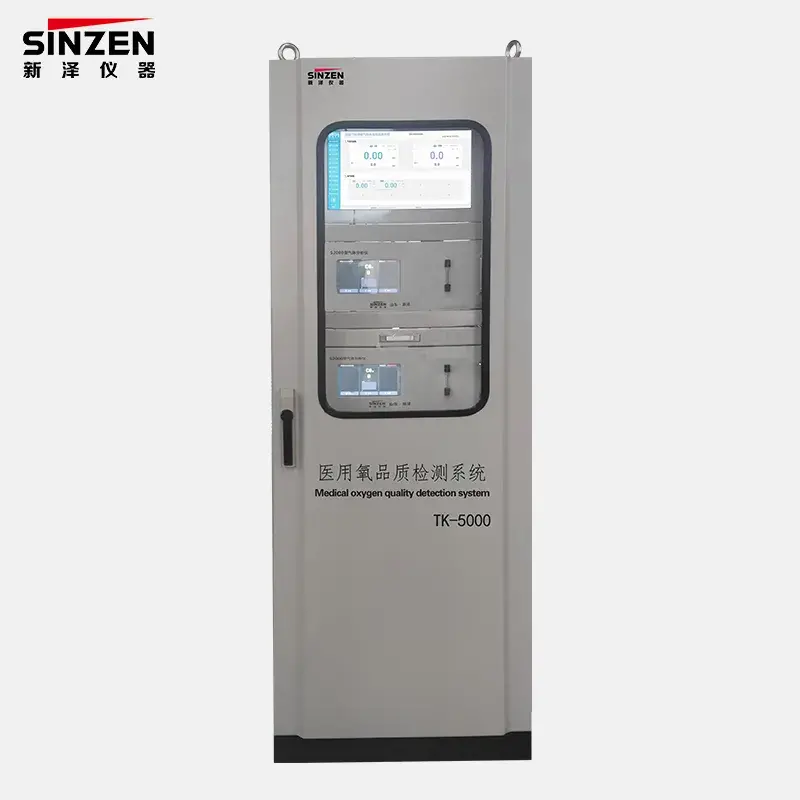
Buyers evaluating a hospital oxygen-monitoring project can review SINZEN’s Medical Oxygen Quality Monitoring System and Oxygen Analyzer pages before preparing the RFQ.
For projects that require a larger integrated monitoring package, the Gas Analysis System range can also be reviewed.
When contacting SINZEN through Contact Us, provide the oxygen source, monitoring objective, sampling location, required measurements, pressure and flow conditions, data/alarm interface, verification method, installation constraints, quantity, and project destination.
That allows the supplier to review the monitoring boundary before quotation instead of selecting equipment from a product name alone.