400-050-3910

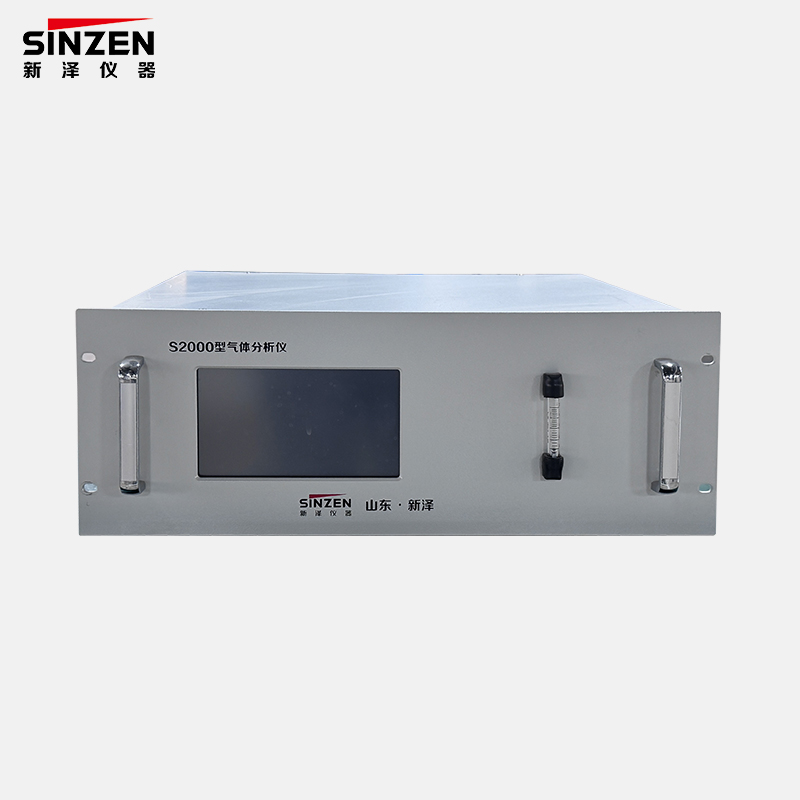
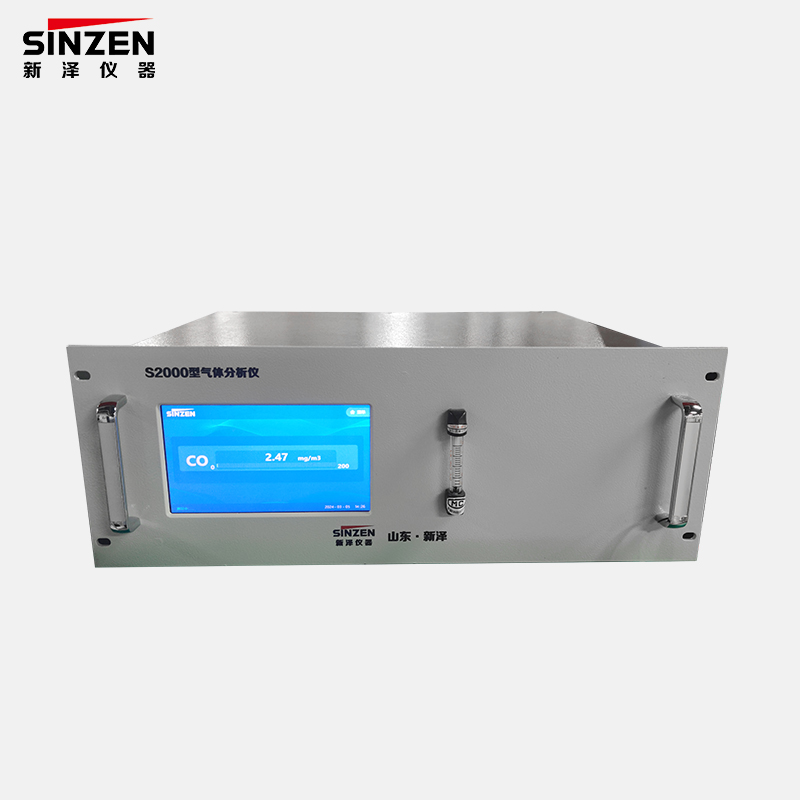
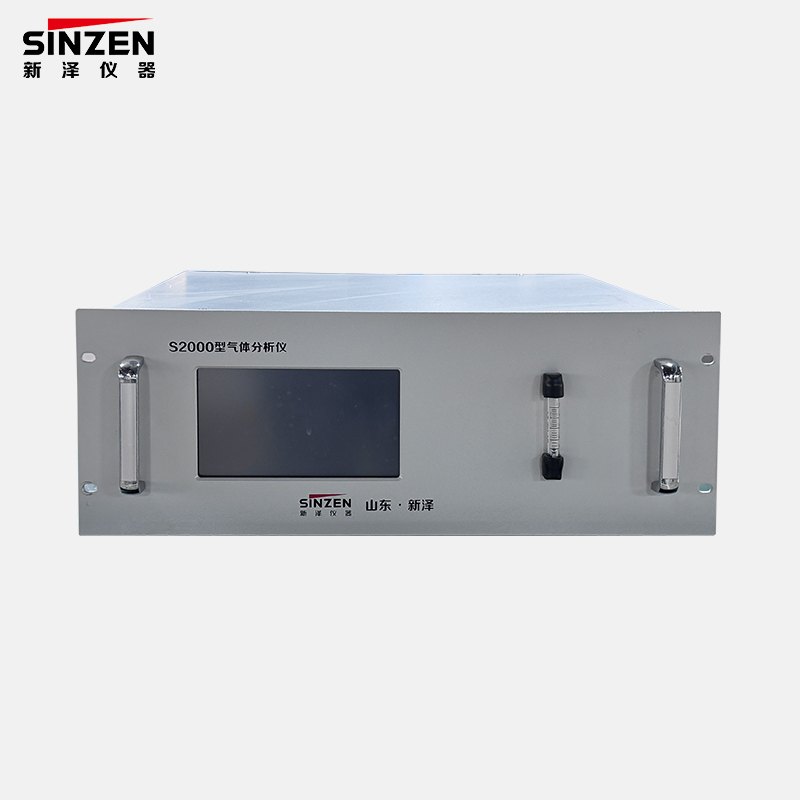
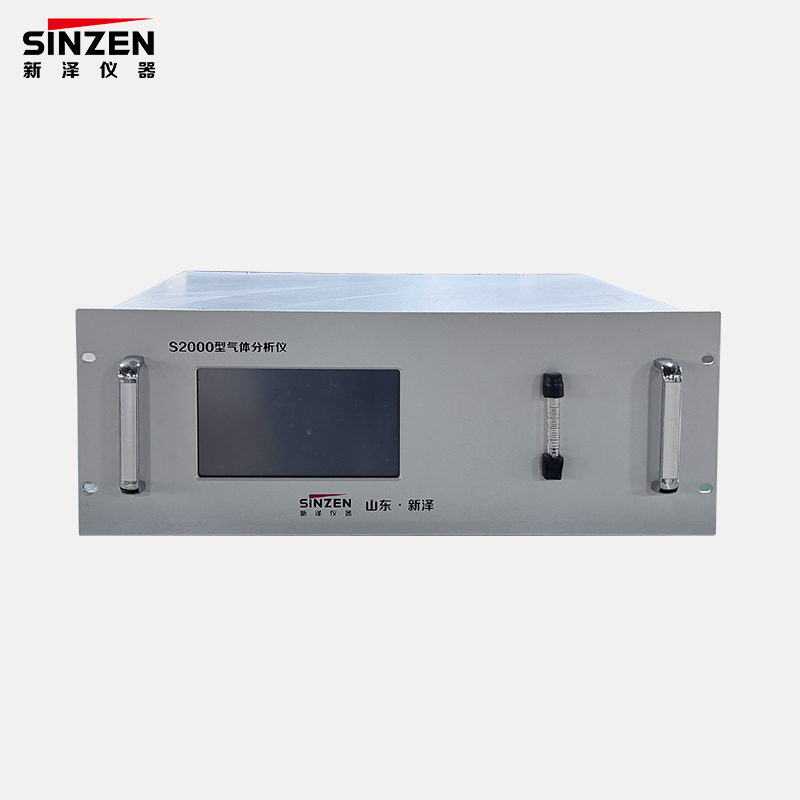
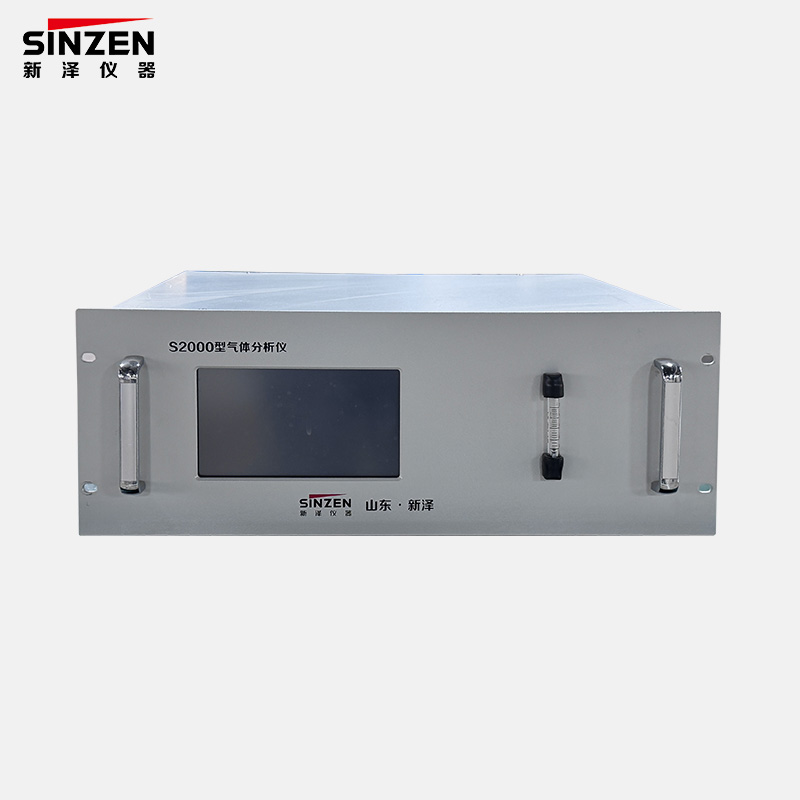
The S2000 infrared CO₂ analyzer is a microprocessor-based precision instrument operating on the non-dispersive infrared (NDIR) industrial photometric analysis principle. The instrument features a standard cast aluminum chassis, a dot-matrix graphic blue LCD screen, a Chinese menu-driven software interface, and a membrane keypad. It can intuitively display various information such as the measured component, concentration value, sensor temperature, range span, output current, real-time clock, and configuration parameters, allowing users to easily perform operations including parameter setting, calibration, alarm configuration, and maintenance.
The S2000 CO analyzer is a non-dispersive infrared (NDIR) gas analyzer. Its working principle is based on the selective absorption of infrared light by certain gases. The instrument adopts a single light source, a single tube with a half-divided gas cell, and an advanced detector, offering exquisite workmanship, high analytical accuracy, and good stability. It utilizes advanced digital processing technology and features a brand-new LCD display screen.
Nitrous Oxide Analyzer is a new type of intelligent online gas analyzer developed by our company, utilizing high-performance sensors combined with advanced production processes and new microcomputer technology. The analyzer is based on principles such as infrared, electrochemistry, laser, and micro-flow thermal conductivity. It features high measurement accuracy, good stability, fast response time, wide application range, and long service life.
The infrared (IR) technology methane analyzer is specifically designed for direct measurement of methane in syngas and natural gas measurement applications. The tunable diode laser measurement technology for CH₄ is an innovative technique specifically developed for medical applications and atmospheric trace pollutant gas monitoring. It provides high-precision, reliable trace CH₄ gas measurement with a minimum detection limit of 5 ppb. This advanced technology enables healthcare professionals to detect extremely low concentrations of methane in patient samples, ensuring the highest level of accuracy and safety.
The SINZEN heat treatment gas analyzer continuously measures the ambient gas concentration during the heat treatment process. It can accurately measure CO, CO₂, and CH₄ gas concentrations, and a single instrument can simultaneously and continuously measure the concentrations of two gas components. This analyzer is an instrument designed to measure the concentrations of various gases emitted from furnaces during the heat treatment process. It can be used for batch processing or continuous monitoring applications, providing real-time process quality information that enables operators to make adjustments as needed to ensure products meet the intended specifications. By accurately measuring the concentrations of these gases, the analyzer also helps ensure that emissions do not exceed legal limits, thereby preventing environmental pollution and improving the efficiency and quality control of the treatment process.
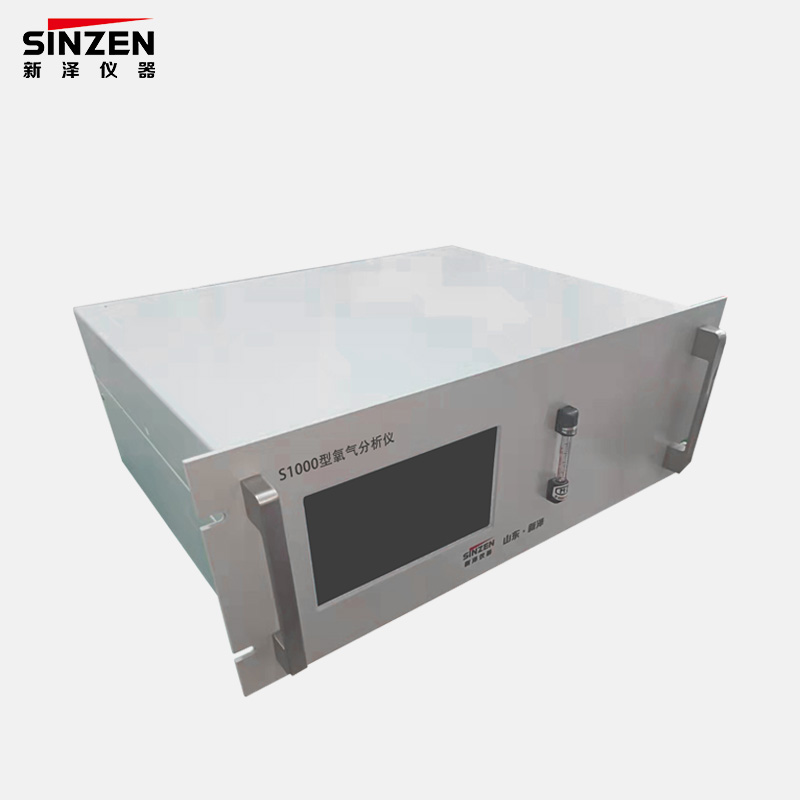
Our zirconia oxygen analyzer is designed to accurately monitor and control oxygen concentration in combustion gases, boilers, and high-temperature industrial furnaces. These analyzers provide fast response time, high stability, and reliable measurement even under harsh operating conditions. The patented ceramic probe protector is corrosion-resistant, high-temperature resistant, and can withstand temperatures up to [value missing] °C.
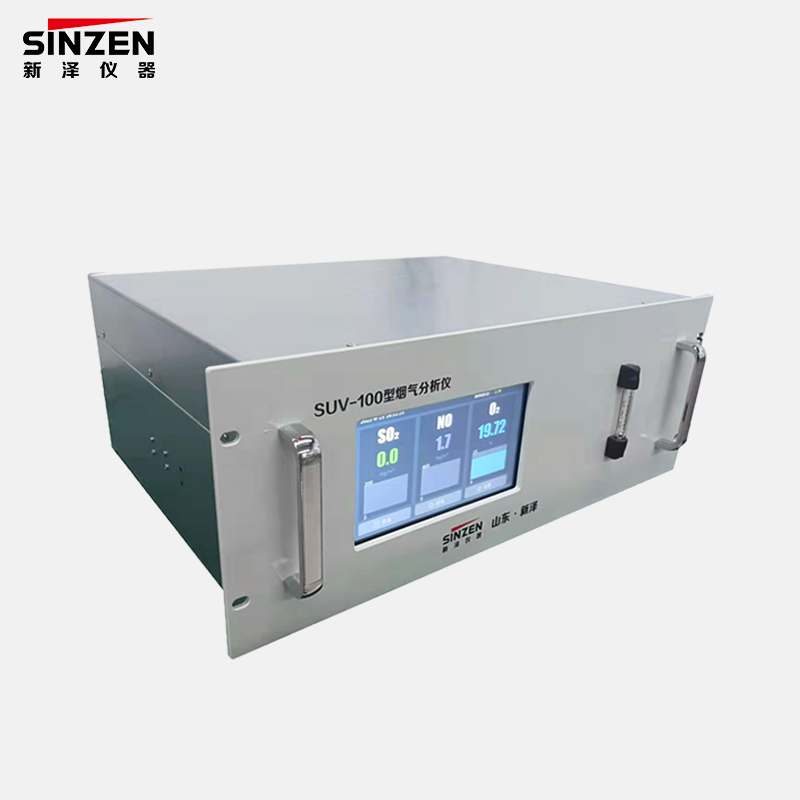
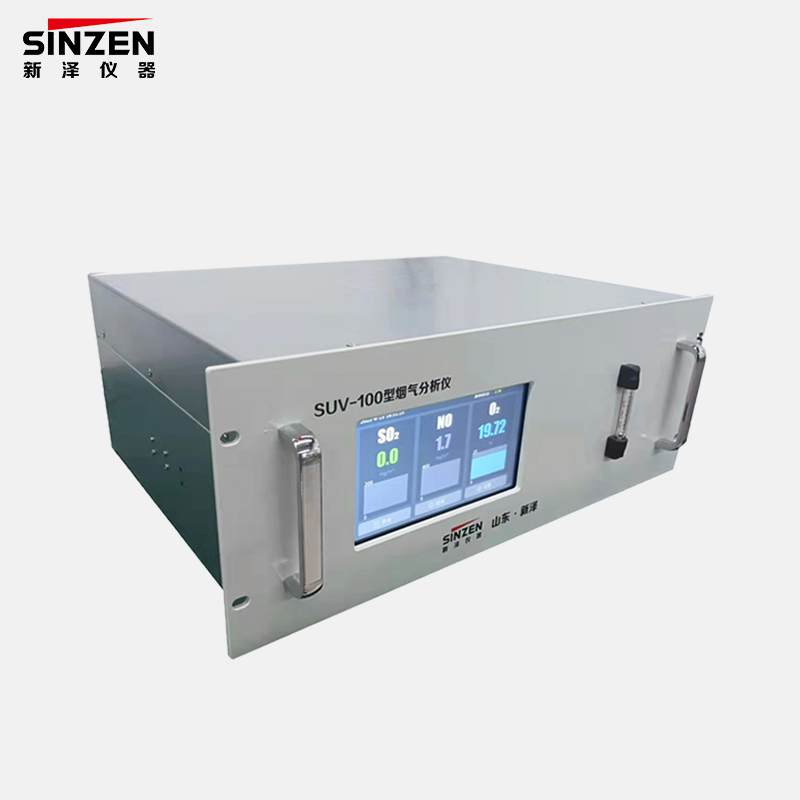
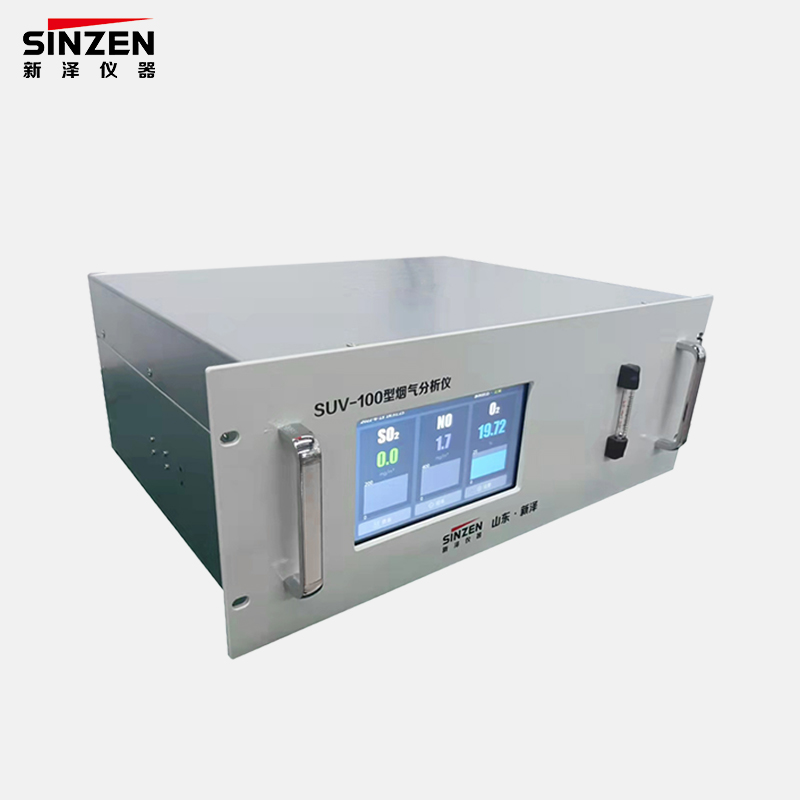
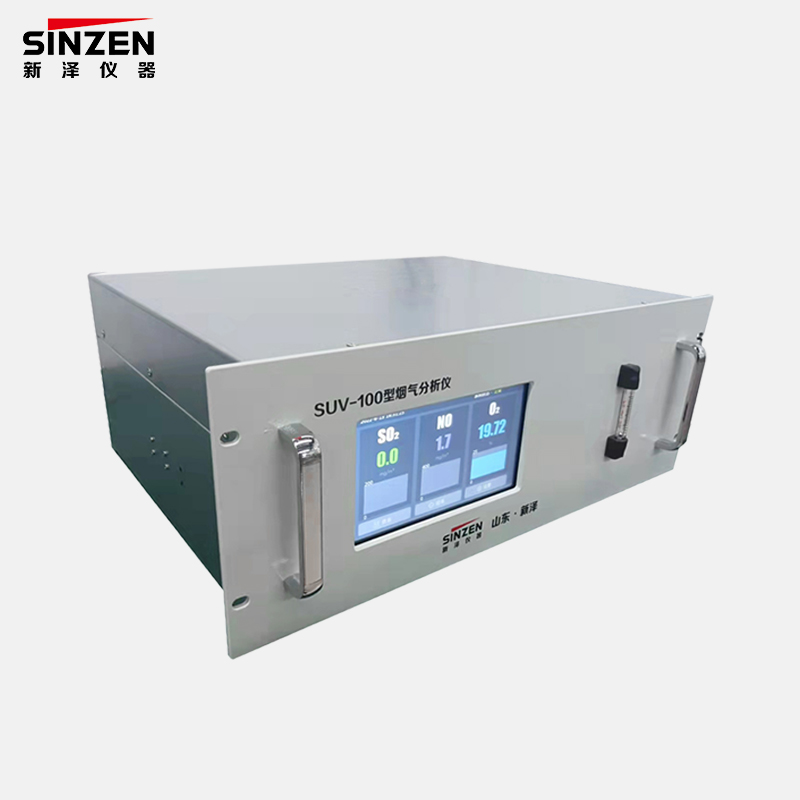
Currently, the vast majority of nitrogen oxide measuring instruments on the market determine the concentration of nitrogen dioxide (NO₂) or total nitrogen oxides (NOₓ) by first converting NO₂ in the total NOₓ (NO+NO₂) into NO. However, due to the NO₂/NO conversion efficiency (which depends on the actual NO₂ concentration), some field conditions are not suitable for using a nitrogen oxide converter for NO₂-to-NO conversion. To address this issue, Shandong SINZEN Instrument Co., Ltd. has developed the SUV-100 flue gas analyzer, which employs a direct NO₂ measurement method for pollutant measurement. The analyzer is based on ultraviolet absorption spectroscopy and chemometric algorithms. It can measure the concentrations of gases such as SO₂, NO, NO₂, and O₂. Featuring high measurement accuracy, high reliability, fast response time, and wide applicability, it can be widely used in environmental online monitoring, industrial control, safety monitoring, and other applications.
Nitrogen oxide analyzers are essential tools for ensuring regulatory compliance, monitoring emissions, and optimizing industrial processes. Furthermore, they assist various industries in monitoring and controlling nitrogen oxide emissions, thereby helping to ensure compliance with environmental regulations and reducing the environmental impact of their operations. By providing accurate, real-time measurements of nitrogen oxide (NOₓ) concentrations, NOₓ analyzers facilitate the implementation of effective pollution control measures. These measures include adjusting combustion processes, optimizing air–fuel ratios, or installing selective catalytic reduction (SCR) systems. In summary, process engineers use nitrogen oxide analyzers to measure and analyze the concentration of nitrogen oxides in gas samples. These analyzers play a critical role in environmental monitoring, emission control, and process optimization across various industries.
The sulfur dioxide (SO₂) analyzer is a gas analysis instrument based on ultraviolet absorption spectroscopy and the Differential Optical Absorption Spectroscopy (DOAS) algorithm. The light beam emitted by the light source is focused and coupled into an optical fiber. It is transmitted via the optical fiber to an external high-temperature measurement cell. After passing through the gas cell and being absorbed by the target gas, the light is transmitted by another optical fiber to a spectrometer. Inside the spectrometer, the light is dispersed by a grating, and the dispersed optical signal is converted into an electrical signal by an array detector, thereby obtaining continuous absorption spectral information of the gas. Based on this spectral information, the instrument employs the DOAS algorithm to calculate the concentration of the measured gas.
Thefluegasanalyzerisagasanalysisinstrumentbasedonultravioletabsorptionspectroscopyanddifferentialopticalabsorptionspectroscopy(DOAS).Thelightbeamemittedbythelightsourceisconcentratedandcoupledintoanopticalfiber,transmittedthroughthefibertoanexternalhigh-temperaturemeasurementchamber.Afterpassingthroughthegascellandbeingabsorbedbythetargetgas,thelightistransmittedviaanotherfibertoaspectrometer.Insidethespectrometer,thelightisdispersedbyagrating,andthedispersedopticalsignalisconvertedintoanelectricalsignalbyanarraydetector,obtainingcontinuousabsorptionspectralinformationofthegas.Basedonthisspectralinformation,theinstrumentappliestheDOASalgorithmtocalculatetheconcentrationofthemeasuredgas.
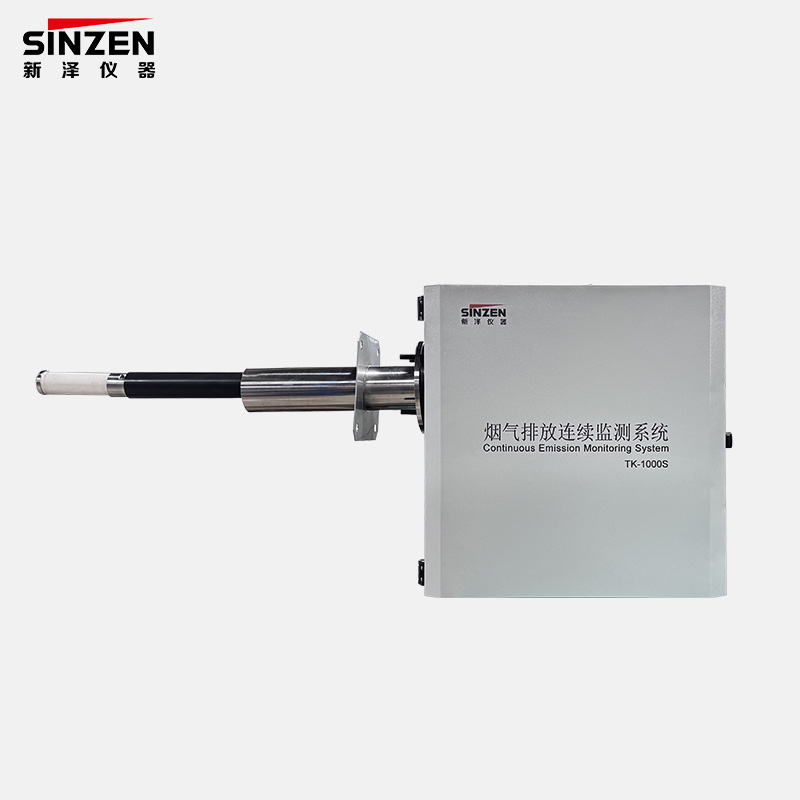
The TK-1000S Continuous Emission Monitoring System (CEMS) is meticulously developed by Shandong SINZEN Instrument Co., Ltd., leveraging over 10 years of professional experience in the pollution source industry combined with Differential Optical Absorption Spectroscopy (DOAS) technology This system employs advanced high-temperature extraction sampling coupled with ultraviolet differential spectroscopy principles for measurements, utilizing an in-situ extraction measurement method capable of real-time online monitoring of gaseous pollutant concentrations (such as SO₂ and NOₓ) and flue gas parameters (including humidity and oxygen content) in exhaust gases
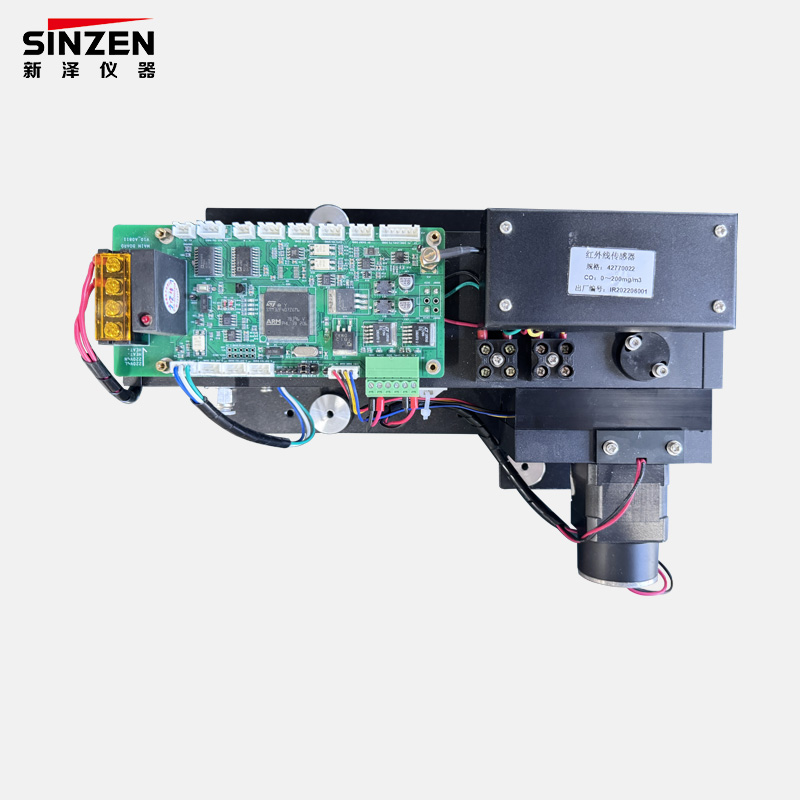
The SINZEN Minfrared gas sensor is mainly composed of infrared correlation filter technology (GFC) and self-designed long optical path gas absorption cell (L-Cell), wavelength filter, infrared detector and high-precision signal processing circuit to complete the gas quantitative analysis in the infrared band. The sensor has the characteristics of high precision, good stability and fast response time. The product is mainly used in the following applications: Air quality testing; Industrial process gas analysis, etc.