As industrial emission standards tighten around the world, operators face a tougher question: how do you prove your plant stays within compliance when the permitted limits are almost imperceptibly low? The answer is
ultra-low emissions continuous flue gas monitoring — a technology that lets you measure stack emissions accurately, continuously, and in near real time.
This guide explains what ultra-low emissions continuous flue gas monitoring is, why it matters, how it works, and what to consider when deploying a system.
What Is Ultra-Low Emissions Continuous Flue Gas Monitoring?
Ultra-low emissions continuous flue gas monitoring refers to the continuous measurement of pollutant concentrations in exhaust gas from industrial stacks, boilers, and combustion processes, at the very low concentration ranges required by modern environmental regulations.
The term “ultra-low emissions” describes the tight pollutant levels — often in single-digit parts per million (ppm) or even parts per billion (ppb) — that plants in many countries must now meet. Measuring accurately at these low concentrations demands more than a basic analyzer; it requires a dedicated continuous emission monitoring system (CEMS) designed with sufficient sensitivity, stability, and cross-interference correction.
In practical terms, the system samples flue gas from the stack, measures key pollutants continuously, records the data, and often transmits it to regulators or a control room for compliance reporting.
Why Ultra-Low Emissions Monitoring Matters
There are two main drivers behind the growing demand for this technology:
- Regulatory compliance. Many regions have introduced stringent emission limits for nitrogen oxides (NOx), sulfur dioxide (SO2), particulate matter, and carbon monoxide. Operators must demonstrate compliance through reliable, continuous measurement — not one-off manual sampling.
- Environmental responsibility and reputation. Accurate monitoring supports better combustion control, lower fuel consumption, and a demonstrably cleaner operation, which matters to communities, customers, and investors alike.
Beyond compliance, continuous monitoring data helps engineers optimize combustion efficiency, detect faults early, and reduce operating costs.
How Does Ultra-Low Emissions Continuous Flue Gas Monitoring Work?
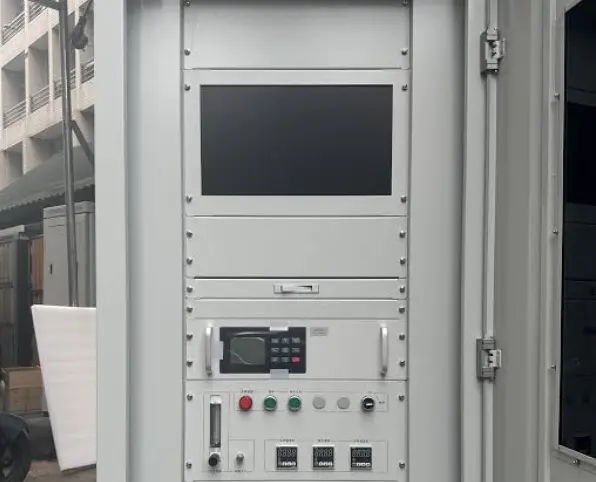
A typical continuous flue gas monitoring system is built from several coordinated parts:
| Component | Role |
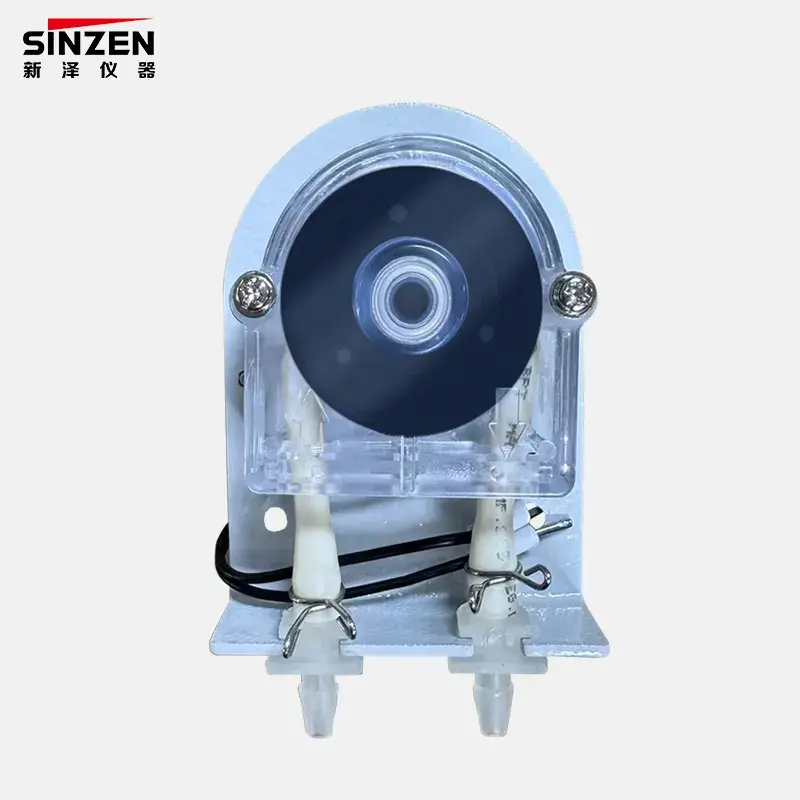
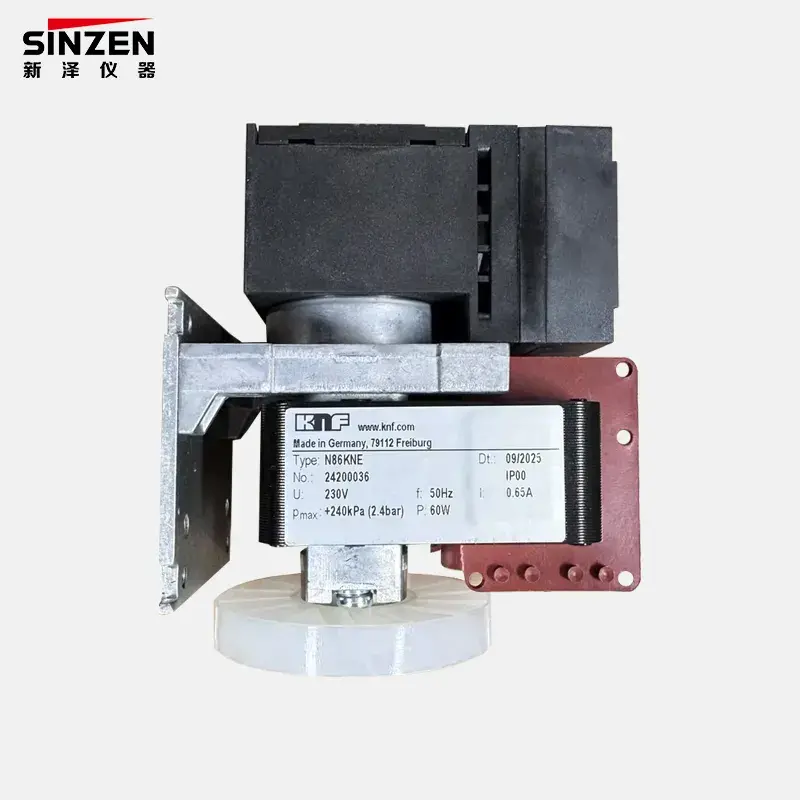
| Sampling system | Extracts a representative gas sample from the stack and conditions it (filtration, drying, temperature control). |
| Gas analyzers | Measure pollutant concentrations using dedicated measurement principles. |
| Data acquisition system | Records readings, calculates averages and emission totals, and stores data for reporting. |
| Calibration / validation | Regular zero and span checks confirm the analyzers remain accurate over time. |
Two broad sampling approaches are common:
- Extractive (in-situ or dilution) monitoring — a sample is drawn from the stack and transported to an analyzer for measurement. This is widely used for ultra-low concentration applications because it allows careful conditioning and calibration.
- In-situ / cross-duct monitoring — analyzers measure directly inside or across the stack, often using optical methods. This provides fast response with less sample handling.
The choice depends on the gas species, concentration range, stack conditions, and the maintenance environment at each site.
What Pollutants Are Measured?
An ultra-low emissions monitoring system typically tracks several key parameters:
| Parameter | Why it is monitored |
| NOx (nitrogen oxides) | A primary regulated combustion pollutant and contributor to smog and acid rain. |
| SO2 (sulfur dioxide) | Emitted from sulfur-bearing fuels; tightly regulated in many industries. |
| CO (carbon monoxide) | An indicator of incomplete combustion and a safety and efficiency marker. |
| Particulate matter / dust | Solid particles in flue gas; subject to strict mass concentration limits. |
| O2 (oxygen) | Used to correct readings and assess combustion efficiency. |
| CO2 | Increasingly relevant for greenhouse-gas accounting and efficiency analysis. |
The specific list of regulated parameters varies by country, fuel type, and industry sector, so requirements should be confirmed against the applicable local regulation for each installation.
Measurement Technologies for Ultra-Low Concentrations
Reaching reliable readings at very low concentrations requires analyzers with high sensitivity and low cross-interference. Common techniques include:
- Non-dispersive infrared (NDIR) — widely used for CO, CO2, and SO2 measurement.
- Chemiluminescence — the standard technique for NOx at low concentrations.
- UV / DOAS (differential optical absorption spectroscopy) — effective for low-level NOx, SO2, and other gases with UV absorption bands.
- Laser-based (TDLAS) analyzers — offer fast response and minimal drift, increasingly used for low-concentration measurement.
- Beta-ray or triboelectric dust meters — common for continuous particulate matter monitoring.
The right technology depends on the target gas, its expected concentration range, and the interference present in the specific flue gas matrix.
Key Considerations When Deploying a System
Installing an ultra-low emissions monitoring system involves more than buying an analyzer. To get reliable, defensible data, pay attention to:
- Matching the analyzer to the range. An analyzer that is over-ranged for ultra-low concentrations will not deliver the accuracy you need.
- Sample conditioning quality. At low concentrations, moisture, temperature, and contaminants in the sample can distort readings; a well-designed sampling system is critical.
- Cross-interference control. Other gases present in the flue gas can interfere with measurement; choose analyzers with proven interference correction.
- Routine calibration. Regular zero and span checks are essential to maintain accuracy and meet audit expectations.
- Data integrity and reporting. A robust data acquisition system ensures records are complete, time-stamped, and ready for regulator review.
Maintenance Tips for Continuous Monitoring Systems
- Calibrate analyzers on the schedule required by your operation and regulation.
- Inspect and clean sampling probes and filters regularly.
- Monitor the sample conditioning system for blockages or condensation.
- Track analyzer drift and respond when it approaches the acceptable tolerance.
- Keep spares of consumables such as filters and calibration gases on hand.
Frequently Asked Questions
What is the difference between flue gas monitoring and a CEMS? Flue gas monitoring is the general practice of measuring stack emissions. A CEMS (continuous emission monitoring system) is the integrated, automated system — sampling, analyzers, and data acquisition — that performs this measurement continuously for compliance purposes.
Why are ultra-low emissions so hard to measure? At very low concentrations, signals are small, so analyzer sensitivity, stability, and the ability to correct for interfering gases become critical. A device that works well at higher concentrations may simply not be accurate enough at ultra-low levels.
How often should a flue gas monitoring system be calibrated? Calibration frequency varies by regulation and site practice. Many systems run automatic zero and span checks daily and perform full calibration on a defined maintenance schedule. Always follow the applicable local requirements.
Can one system monitor multiple pollutants? Yes. Most modern systems combine multiple analyzers or multi-gas analyzers to measure several parameters (such as NOx, SO2, CO, and O2) from the same sample stream.
Choose the Right Partner for Continuous Flue Gas Monitoring
Selecting the correct ultra-low emissions continuous flue gas monitoring system is about matching the right analyzer and sampling configuration to your specific process, stack conditions, and regulatory requirements. It is worth working with a supplier who understands measurement technology and can help you design a system that delivers accurate, defensible data.
At
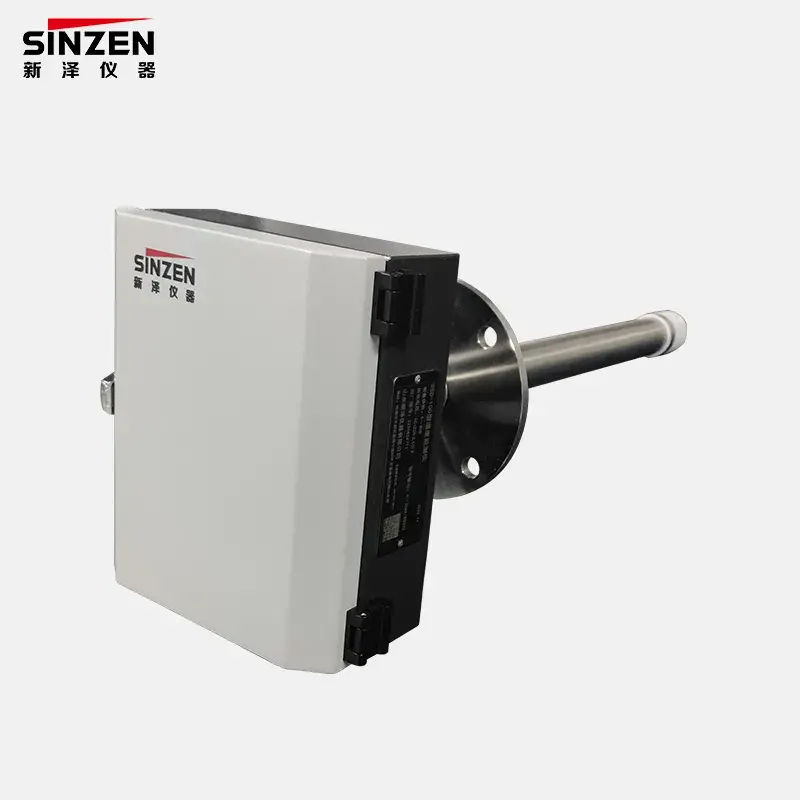
SINZEN Gas, we provide continuous flue gas monitoring solutions and technical support for industrial emission control applications. Our team can help you identify a monitoring configuration suited to your process and the pollutants you need to track. To discuss your application and requirements, contact us via our website:
https://www.sinzengas.com/contact-us/.