A CEMS monitoring system is a Continuous Emissions Monitoring System used to measure, record, and report selected pollutants and operating parameters from industrial exhaust gas, flue gas, stacks, or ducts.
CEMS is widely used in power generation, cement plants, steel mills, waste-incineration facilities, chemical plants, boilers, refineries, and other industrial operations where continuous emissions data is needed for environmental management, process control, or regulatory reporting.
A complete system is more than a gas analyzer. Reliable CEMS Flue Gas Monitoring Equipment normally combines sampling or in-situ measurement hardware, analyzers, data acquisition, calibration functions, and quality-control procedures.
What Does CEMS Stand For?
CEMS stands for Continuous Emissions Monitoring System.
The purpose of a CEMS is to continuously measure one or more flue-gas components or operating parameters and provide recorded data over time. Depending on the application, the system may measure pollutant concentration, oxygen level, flue-gas flow, temperature, pressure, moisture, opacity, particulate matter, or calculated emission rate.
A CEMS can support plant operators by helping them understand how emissions change with fuel quality, production conditions, combustion efficiency, pollution-control equipment performance, and operating load.
What Does a CEMS Monitoring System Measure?
The monitored parameters depend on the industrial process, fuel type, pollution-control system, permit requirements, and local regulations.
Common CEMS measurement parameters include:
| Parameter | Typical Purpose |
| SO₂ | Monitoring sulfur-related emissions |
| NOx | Monitoring nitrogen oxide emissions |
| CO | Supporting combustion and emissions monitoring |
| CO₂ | Process, combustion, or carbon-related monitoring |
| O₂ | Reference correction and combustion control |
| HCl | Acid-gas monitoring in selected applications |
| HF | Fluoride-related emissions monitoring |
| NH₃ | Ammonia-slip monitoring in selected control systems |
| Particulate matter | Dust or particulate-emissions monitoring |
| Opacity | Monitoring visible exhaust characteristics |
| Flue-gas flow | Calculating emission mass flow or rate |
| Temperature | Supporting reference-condition calculations |
| Pressure | Supporting flue-gas condition correction |
| Moisture | Supporting wet- or dry-basis calculations |
Not every CEMS monitors every parameter. The final configuration should be determined by the emission source, target pollutants, process conditions, environmental permit, and reporting requirements.
Main Components of CEMS Flue Gas Monitoring Equipment
A CEMS monitoring system usually consists of several integrated components.
1. Sampling probe or in-situ measuring unit
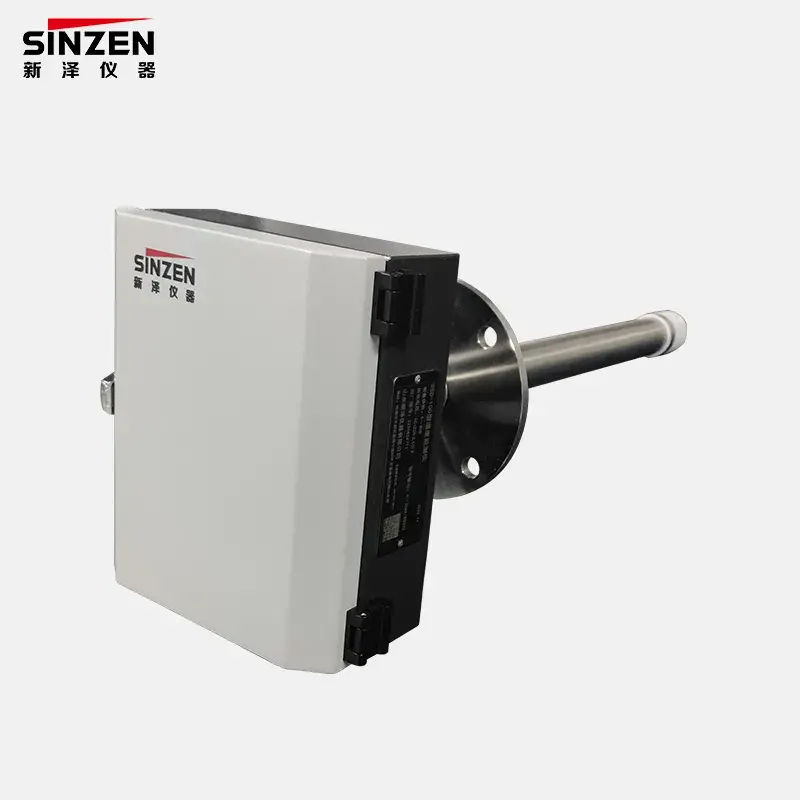
The system may collect a gas sample from a stack or duct using a probe. In other designs, the measurement is performed directly across or inside the flue-gas stream without extracting a sample.
The correct approach depends on gas temperature, dust concentration, moisture, corrosive components, stack diameter, maintenance access, and required measurement performance.
2. Heated sample line
For extractive CEMS systems, a heated sample line can transport flue gas from the probe to the analysis cabinet. Temperature control may be important when the gas contains moisture or components that could condense before reaching the analyzer.
3. Sample-conditioning system
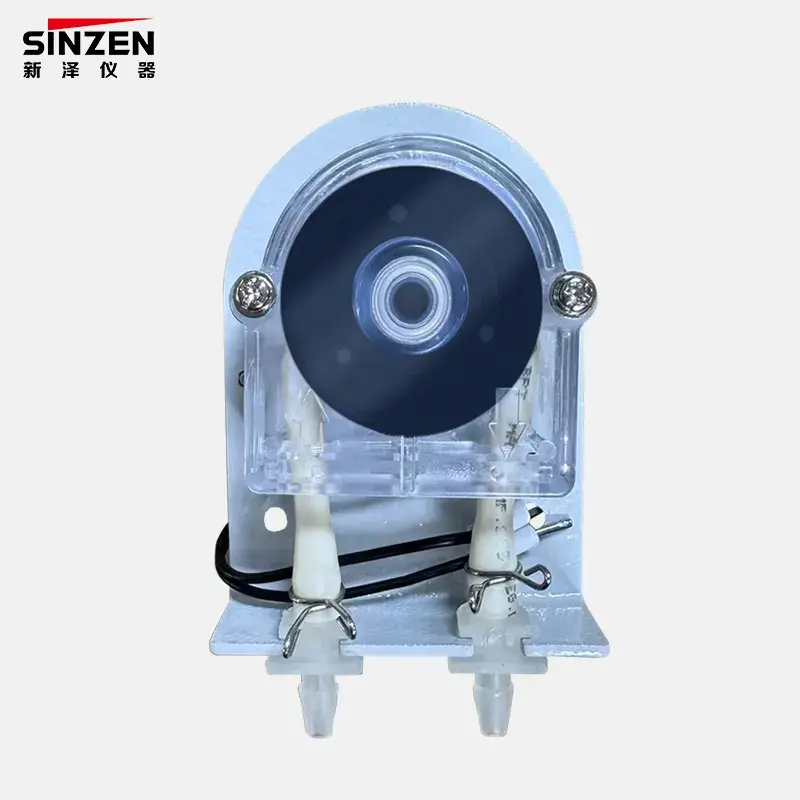
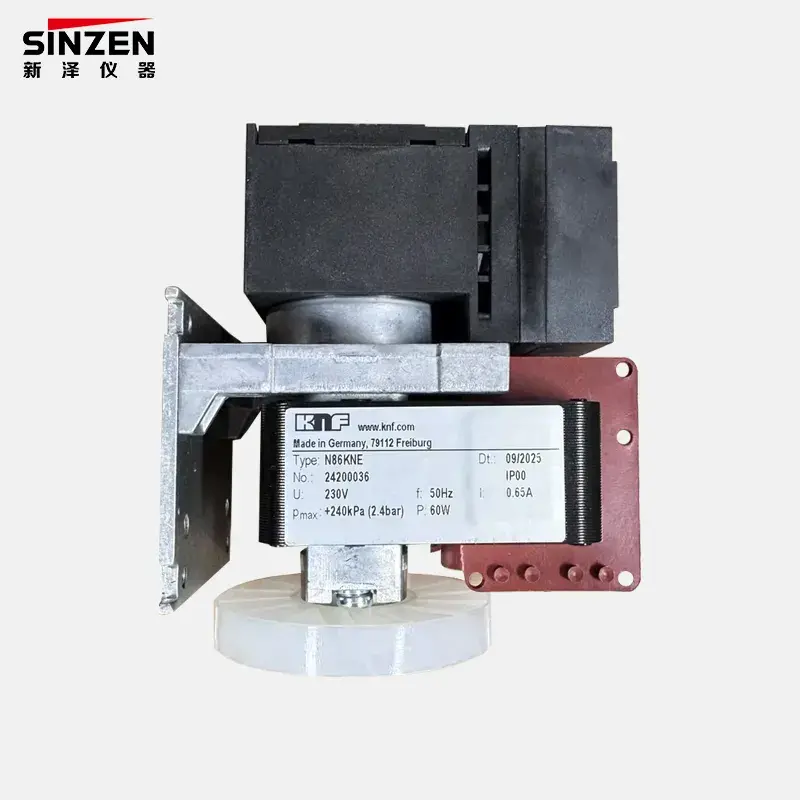
The sample-conditioning system prepares the extracted flue gas for analysis. Depending on the design, it may include filters, pumps, coolers, moisture-removal devices, flow controls, and protective components.
The goal is to supply a representative sample to the analyzer while protecting the system from dust, condensate, corrosion, and contamination.
4. Gas analyzers
Gas analyzers measure the selected gas components. Different technologies may be used according to the target gas, measurement range, expected accuracy, process conditions, and maintenance requirements.
5. Flow, dust, and opacity monitors
Some projects require more than gas concentration measurement. Additional monitoring equipment may measure flue-gas velocity, volume flow, particulate matter, or opacity.
These parameters can be important for calculating emission mass rates or evaluating overall stack performance.
6. Data acquisition and handling system
A data acquisition and handling system collects, processes, stores, displays, and reports monitoring data.
Depending on the project, the system may support:
- Real-time monitoring display
- Historical trends
- Alarm functions
- Data storage
- Remote communication
- Compliance reporting
- Data validation
- Process-control integration
Reliable data management is essential because continuous monitoring is valuable only when the recorded data is traceable, understandable, and available for review.
How Does a CEMS Monitoring System Work?
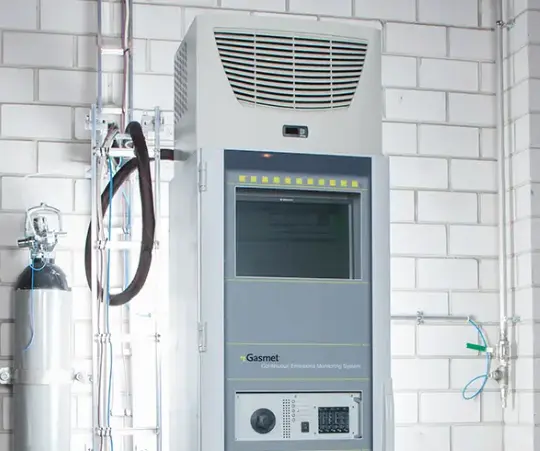
A typical extractive CEMS process follows these steps:
- Flue gas is collected from a representative point in the stack or duct.
- The sample passes through a probe and sample-transport line.
- The gas is filtered and conditioned as required by the system design.
- The analyzers measure selected gas components.
- Additional instruments may measure oxygen, moisture, pressure, temperature, flow, dust, or opacity.
- The data system collects and processes the measured values.
- Results are displayed, stored, alarmed, or transmitted according to project requirements.
For in-situ systems, the measurement can be performed directly in the flue-gas path. This can reduce the need for sample transport and conditioning, but the equipment must still be suitable for the temperature, dust, vibration, corrosion, and optical conditions at the installation point.
Types of CEMS Monitoring Systems
Extractive CEMS
Extractive systems remove a sample from the stack or duct and transport it to an analyzer cabinet.
This approach can be suitable when the sample needs conditioning before analysis or when analyzers must be installed in a protected location.
Hot-wet CEMS
Hot-wet systems maintain the sample above its dew point during transport and analysis. They may be used when moisture-sensitive or water-soluble gas components must be measured without removing water vapor from the sample.
Dilution CEMS
Dilution systems mix a small amount of flue gas with clean, dry air before analysis. This may help reduce sample-conditioning requirements in selected applications.
In-situ CEMS
In-situ systems measure directly in the stack or duct. Depending on the technology, they may use optical, laser-based, cross-stack, or probe-mounted measurement methods.
The best choice depends on the process, gas characteristics, target components, installation conditions, and maintenance strategy.
What Industries Use CEMS?
CEMS monitoring systems are used across many industrial sectors, including:
- Coal, gas, biomass, and waste-to-energy power plants
- Cement and lime kilns
- Steel and metallurgical facilities
- Oil and gas processing
- Petrochemical plants
- Chemical manufacturing
- Glass production
- Pulp and paper mills
- Municipal and hazardous-waste incineration
- Industrial boilers
- Mining and mineral-processing facilities
Each source has different flue-gas conditions. A CEMS designed for a clean natural-gas boiler may not be suitable for a high-dust cement kiln, corrosive waste-incineration stack, or high-temperature steelmaking process.
Why Is CEMS Important?
A CEMS monitoring system can provide continuous operational insight that occasional manual testing cannot provide alone.
Key benefits include:
- Continuous emissions-data visibility
- Faster identification of abnormal operating conditions
- Support for environmental reporting
- Better evaluation of pollution-control equipment
- Improved combustion and process understanding
- Historical data for audits and analysis
- Alarm functions for selected parameters
- Support for preventive maintenance planning
However, CEMS data quality depends on correct installation, calibration, maintenance, and data-validation procedures. A poorly maintained system can produce inaccurate or unavailable readings.
How to Select CEMS Flue Gas Monitoring Equipment
When selecting CEMS Flue Gas Monitoring Equipment, buyers should provide complete process information before choosing a system.
Important selection factors include:
- Industry and emission source
- Required pollutants and parameters
- Gas temperature and pressure
- Moisture level
- Dust concentration
- Corrosive or condensable gas components
- Stack or duct dimensions
- Sampling-point accessibility
- Required measurement range
- Required accuracy and data availability
- Local environmental and reporting requirements
- Data communication protocol
- Maintenance access and available utilities
- Need for analyzer shelter or cabinet
- Calibration-gas requirements
- Installation environment and safety conditions
The lowest-cost analyzer is not always the most cost-effective CEMS solution. System suitability, uptime, maintenance demand, spare-parts availability, and data quality should all be evaluated.
Calibration, Quality Control, and Maintenance
Calibration and quality assurance are essential parts of continuous emissions monitoring.
A CEMS may require routine checks such as:
- Zero checks
- Span checks
- Calibration-gas verification
- Sample-line inspection
- Filter replacement
- Probe and conditioning-system maintenance
- Flow and temperature verification
- Analyzer preventive maintenance
- Data-review and alarm verification
The required procedures and intervals depend on the system design, monitored pollutants, local rules, and site operating procedures.
Because flue-gas systems may involve high temperatures, high pressure, corrosive gases, electrical equipment, elevated platforms, and confined industrial areas, installation and servicing should be performed by trained personnel under approved safety procedures.
CEMS vs. a Single Gas Analyzer
A single gas analyzer can measure a gas component, but it is not automatically a complete CEMS.
A full CEMS monitoring system generally includes the equipment needed to obtain a representative sample or measurement, analyze the required parameters, manage calibration, collect data, and produce a reliable record.
For compliance-oriented projects, the complete monitoring chain matters:
sampling point → sample handling or in-situ measurement → analyzer → calibration → data acquisition → reporting
Each part can affect the final data quality.
Conclusion
A CEMS monitoring system is an integrated solution for continuously measuring and recording industrial flue-gas emissions and related operating parameters.
CEMS Flue Gas Monitoring Equipment can include probes, heated lines, sample-conditioning systems, gas analyzers, flow or dust monitors, calibration components, and data acquisition software. The right configuration depends on the industrial process, target pollutants, stack conditions, measurement requirements, and applicable local regulations.
For CEMS monitoring solutions, flue-gas analyzer systems, and project-specific configuration support, please contact Sinzen Gas.
FAQ
What is the purpose of a CEMS system?
A CEMS system continuously measures selected industrial emissions and operating parameters to support environmental management, process control, and reporting.
What gases can CEMS monitor?
Depending on the configuration, CEMS can monitor gases such as SO₂, NOx, CO, CO₂, O₂, HCl, HF, and NH₃, along with parameters such as flow, moisture, temperature, pressure, opacity, and particulate matter.
Is a gas analyzer the same as a CEMS?
Not always. A complete CEMS includes more than an analyzer. It may also include sampling, conditioning, calibration, data acquisition, and reporting functions.
How do I choose CEMS Flue Gas Monitoring Equipment?
Choose based on the emission source, required pollutants, flue-gas temperature, moisture, dust, corrosive components, local reporting requirements, measurement range, maintenance access, and data requirements.