Direct answer: An environmental flue gas monitoring system measures selected gases, particulate indicators and supporting stack conditions; converts those signals into usable emissions data; records operating and quality-control status; and helps a facility evaluate emissions, combustion behavior and air-pollution-control performance. It does not remove pollutants. Its value depends on whether the sampling method, analyzer principle, measurement range, sample conditioning, installation point and data outputs match the actual process and local reporting requirements. Who needs an environmental flue gas monitoring system?
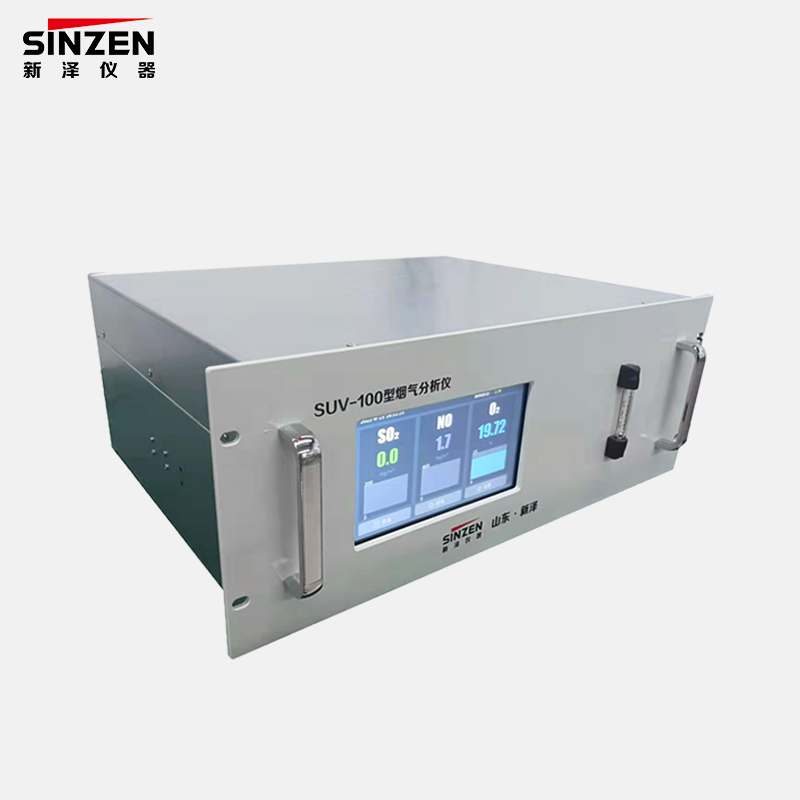
The typical users are power plants, cement lines, waste-incineration facilities, metal and glass furnaces, chemical plants, industrial boilers and other sites with stationary combustion or thermal-process exhaust. Environmental engineering contractors, system integrators and instrument distributors also specify these systems for new installations and retrofit projects.
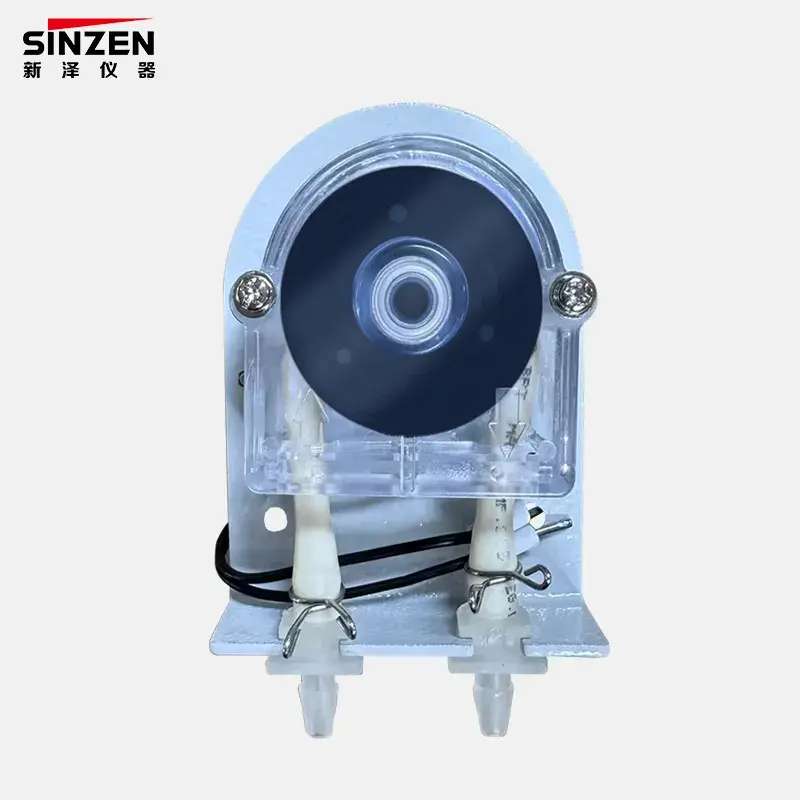
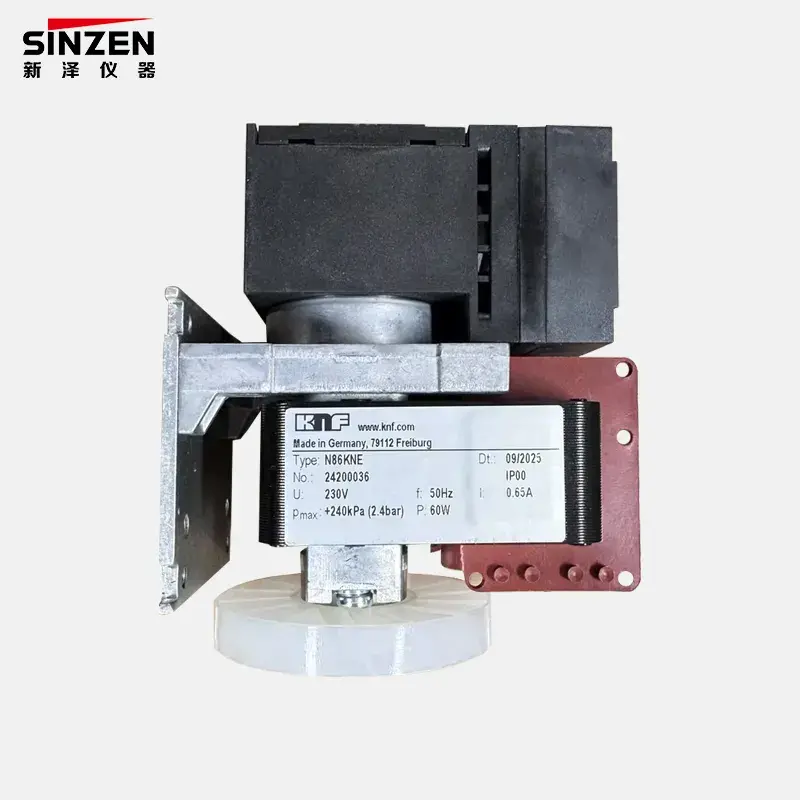
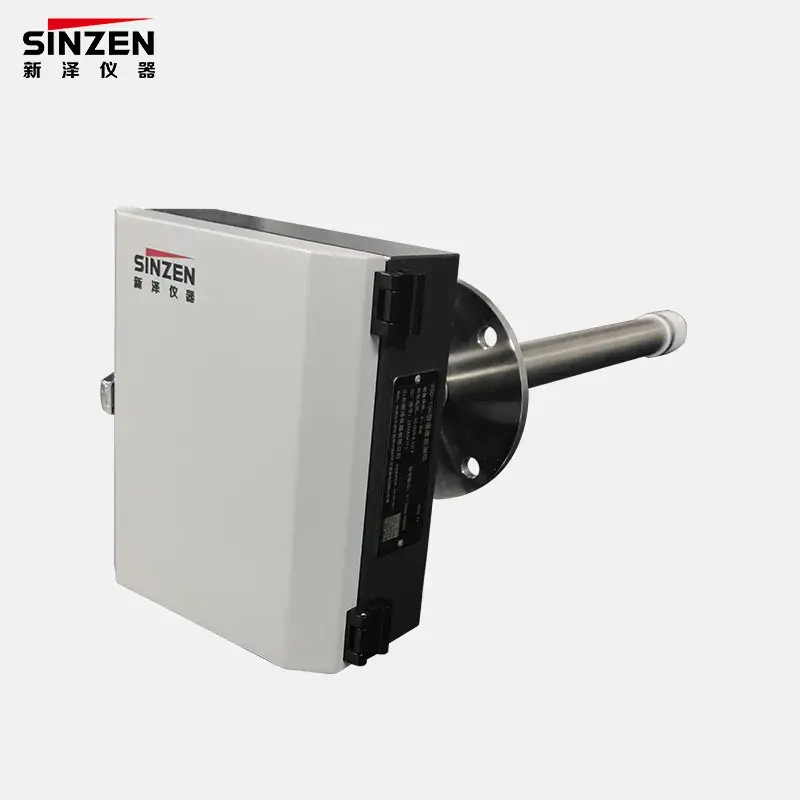
The buyer is rarely purchasing only an analyzer. A workable project may involve a sampling point, probe, heated transfer path, filtration or conditioning, one or more analyzers, calibration equipment, flow and environmental instruments, a cabinet, communications and data handling. SINZEN’s flue gas analyzer category provides a starting point, but the final configuration must be defined by the source conditions and required outputs.
What information does the system actually provide?
The monitoring scope is project-specific. Depending on the process and permit, it may include NO or calculated NOx, SO₂, CO, CO₂, O₂, HCl or other gases, together with particulate concentration or opacity and supporting parameters such as temperature, pressure, moisture and flow. Not every project requires every parameter, and the same analyzer method is not automatically suitable for every gas matrix.
Monitoring functions and their value to the plant | Function | Operational value | Buyer must define |
| Pollutant measurement | Shows the concentration of specified gases or particulate indicators over time | Components, ranges, units, detection needs and expected interferences |
| Emission calculation | Combines measurements and correction inputs where mass rate or normalized data are required | Flow, moisture, oxygen correction, reference conditions and calculation rules |
| Reporting and records | Stores trends, operating states, alarms, calibration events and validated data | Data interval, averaging, validity logic, report format and communications |
| Process visibility | Helps teams compare emissions with load, fuel, air ratio and control-device operation | Which plant signals need to be integrated |
| Maintenance support | Reveals drift, blocked filters, condensation, leaks or unstable sampling | Alarm logic, maintenance access, spare parts and service responsibility |
How does monitoring support compliance without becoming a generic “compliance certificate”?
A monitoring system can supply the measurements and records required by a facility’s environmental program, but compliance is not created by installing a box labeled CEMS. The project must follow the rules, performance specifications, data-validity criteria, testing and reporting obligations that apply at the destination site. These differ by country, industry, pollutant and permit.
For procurement, this means the RFQ should state the applicable standard or permit instead of asking the supplier to “meet international standards” without detail. The supplier can then evaluate analyzer principles, system architecture, calibration functions and data outputs against a defined requirement. This protects both parties from a technically functional system that produces the wrong units, correction basis or report structure.
How does the system reveal process and control-equipment problems?
Environmental measurements become more useful when they are compared with plant operating data. A change in O₂, CO, NOx or flow may correspond with burner adjustment, fuel variation, air leakage, process load or control-device operation. The monitoring trend does not diagnose the cause by itself; it gives the operations team evidence for investigation.
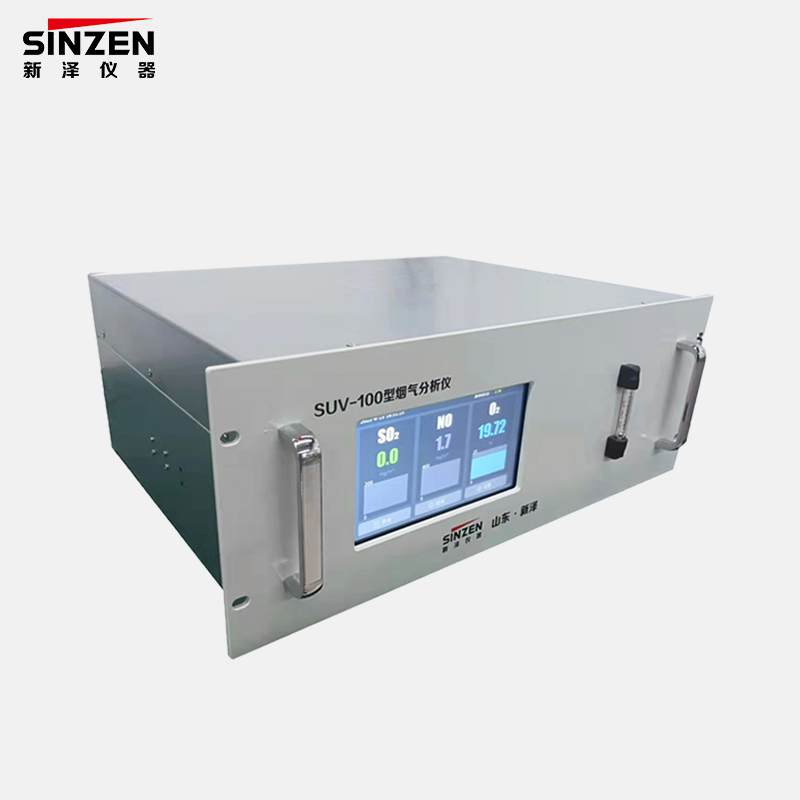
For example, a buyer may combine an emissions system with a dedicated NO gas analyzer or SO₂ gas analyzer when the component, range and measurement principle fit the project. Product selection must consider the complete gas matrix, not only the target gas name.
Which system-design mistakes reduce data reliability?
Field experience shows that measurement problems often begin outside the analyzer. Seven recurring errors deserve attention:
- Using a generic gas list: specifying every common pollutant increases cost without proving that each channel is required.
- Ignoring moisture and acid dew point: uncontrolled condensation can change the sample and damage downstream components.
- Selecting range from the emission limit alone: normal operation, start-up, upset conditions and calibration needs may require a wider or dual range.
- Choosing the sampling point for convenience: poor representativeness, access or platform layout can undermine commissioning and maintenance.
- Treating sample conditioning as an accessory: probe filtration, heating, cooling, drainage and leak control directly affect sample integrity.
- Leaving data requirements until commissioning: protocol, units, averaging and status signals should be agreed before panel fabrication.
- Buying on analyzer price only: installation, calibration gas, shelters, consumables, spare parts and maintenance labor determine lifecycle cost.
What should buyers compare before choosing a monitoring system?
Procurement comparison checklist | Decision area | Evidence to request | Risk of a vague RFQ |
| Source conditions | Temperature, pressure, dust, moisture, flow, gas matrix and operating modes | Unsuitable probe, line or conditioning design |
| Measurement scope | Component list, range, units, accuracy need and interference review | Under-range events or unnecessary channels |
| System architecture | Extractive, in-situ or hybrid approach with design rationale | Maintenance burden or sample loss not reflected in quotation |
| Quality control | Zero/span functions, calibration path, alarms and validation logic | Data appears available but cannot be trusted |
| Integration | Power, signals, protocols, cabinet, data storage and report requirements | Late PLC/DAHS modifications and commissioning delay |
| Lifecycle support | Consumables, recommended spares, maintenance intervals and remote support scope | High downtime after the warranty period |
A standard flue gas analyzer may be one element of the solution. Buyers should confirm whether the quotation covers only the measuring instrument or the complete sampling, conditioning, calibration and data package.
Scenario: Retrofitting monitoring on a cement kiln exhaust
Business Background: A cement producer plans to replace an aging emissions monitoring cabinet while keeping the existing control room and selected field infrastructure.
Problem: Quotations differ sharply. One includes analyzers only; another includes a new probe, heated line, conditioning and data integration.
Cause: The RFQ lists gases but does not describe dust, moisture, operating ranges, existing interfaces or which old components must be reused.
Solution: The plant issues a site-condition sheet, separates reuseable and new scope, defines required data and calibration functions, and reviews the complete sample path before comparing price. For projects with process-specific measurement points, SINZEN’s cement production gas analysis system can be reviewed as an application reference, subject to project configuration.
Frequently asked questions
Does a flue gas monitoring system remove pollutants?
No. It measures and manages emissions information. Scrubbers, filters, catalytic systems and other control equipment perform pollutant reduction.
Is every environmental flue gas monitoring system a CEMS?
No. CEMS is a defined continuous monitoring architecture used for specified measurements and reporting purposes. Other projects may use portable, periodic, opacity or parametric monitoring.
Which gases should an industrial plant monitor?
The list depends on the process, fuel, control equipment, permit and local regulation. Buyers should not copy a generic gas list from another industry.
Why are temperature, pressure, moisture and flow important?
They describe stack conditions and may be needed for normalization, correction or emission-rate calculations. Their exact use depends on the reporting basis.
Can an existing probe and sample line be reused?
Possibly, but their materials, heating, filtration, condition, dimensions and compatibility with the new measurement system must be assessed.
What causes hidden cost in a monitoring project?
Common items include platforms, shelters, cabling, calibration gases, communication work, consumables, spare parts, commissioning and ongoing maintenance.
What should be sent to a supplier for configuration?
Provide source type, gas components and expected ranges, stack conditions, dust and moisture, sampling location, applicable standard, required outputs, utilities, installation environment and project schedule.
Request a project configuration review
Send the emission source, target gases and ranges, temperature, pressure, moisture, dust level, sampling-point details, required reporting basis, communication protocol, installation environment and destination country. SINZEN can review the measurement route, sample-handling scope and analyzer configuration before quotation. Submit the project information through the SINZEN contact page.