The phrase “infrared oxygen detector” is too vague for an industrial oxygen-analysis RFQ. Oxygen instruments may use paramagnetic, zirconia, electrochemical or tunable-laser principles, while an infrared channel in a multigas analyzer may be measuring other gases. A workable selection starts with the measurement task: application, expected oxygen range, gas composition, wet or dry basis, process pressure and temperature, dust or condensate, required response, calibration method and control-system interface. Those conditions determine the appropriate analyzer and sample path. A comparable quotation therefore begins with one shared measurement specification, not a broad detector name.
First Define What the Oxygen Value Will Be Used For
The same oxygen concentration can serve very different decisions. A combustion-control loop needs a timely, stable signal. A stationary-source monitoring system adds quality-assurance and reporting requirements. An inerting or process-purity application may focus on low-level oxygen and leak sensitivity. A local alarm may require discrete outputs and a clearly defined alarm philosophy.
The intended decision establishes the performance priorities. Response time can dominate closed-loop control, while long-term drift and calibration traceability may matter more for reporting. Low-level measurements become especially sensitive to air ingress and tubing integrity. Specifying “0–25% oxygen” without stating the purpose leaves the supplier to guess which compromises are acceptable.
Within SINZEN’s oxygen analyzer product category, the final choice should therefore be matched to the process and measurement objective rather than selected only by range.
| Project input | Question to answer | Effect on analyzer selection |
| Measurement objective | Control, monitoring, alarm, quality check or compliance test? | Sets priorities for response, stability, records, alarms and acceptance testing. |
| Expected oxygen profile | Normal value, minimum, maximum and upset condition? | Determines the required range, resolution and over-range behavior. |
| Gas matrix | What other gases, vapors, dust and aerosols are present? | Influences measurement principle, interference review and wetted materials. |
| Sample condition | Temperature, pressure, moisture and condensation risk at the measurement point? | Determines whether in-situ measurement or an extractive conditioning system is practical. |
| Reporting basis | Wet, dry, normalized or corrected oxygen value? | Prevents a valid instrument reading from being compared on the wrong basis. |
Measurement Principle and Sample Method Must Be Chosen Together
ISO 12039:2019, the current edition confirmed in 2025 for stationary-source CO, CO2 and O2 automated measuring systems, distinguishes several oxygen measurement principles. It lists paramagnetism, zirconium oxide, electrochemical cells and tunable laser spectroscopy for oxygen. In the same scope, conventional infrared absorption is associated with CO and CO2. This boundary explains why the phrase “infrared oxygen detector” is not a sufficient procurement specification.
Some multigas cabinets combine an infrared analyzer for IR-active gases with a separate oxygen sensor. A product can therefore be sold as an infrared gas analyzer and still report oxygen, but the oxygen channel may not use the same principle. The quotation must name the oxygen measurement principle and show which components belong to that channel.
| Measurement principle | Typical project fit | Questions that remain project-specific |
| Paramagnetic | Extractive oxygen measurement where the magnetic property of oxygen provides selectivity | Gas matrix, sample pressure and flow, conditioning, vibration and required range |
| Zirconia | Combustion and process applications, including configurations designed for direct or extractive measurement | Gas suitability, combustible components, sensor temperature, installation and reference conditions |
| Electrochemical | Compact instruments and applications where sensor consumption and maintenance can be managed | Sensor life, cross-sensitivity, temperature, humidity and replacement plan |
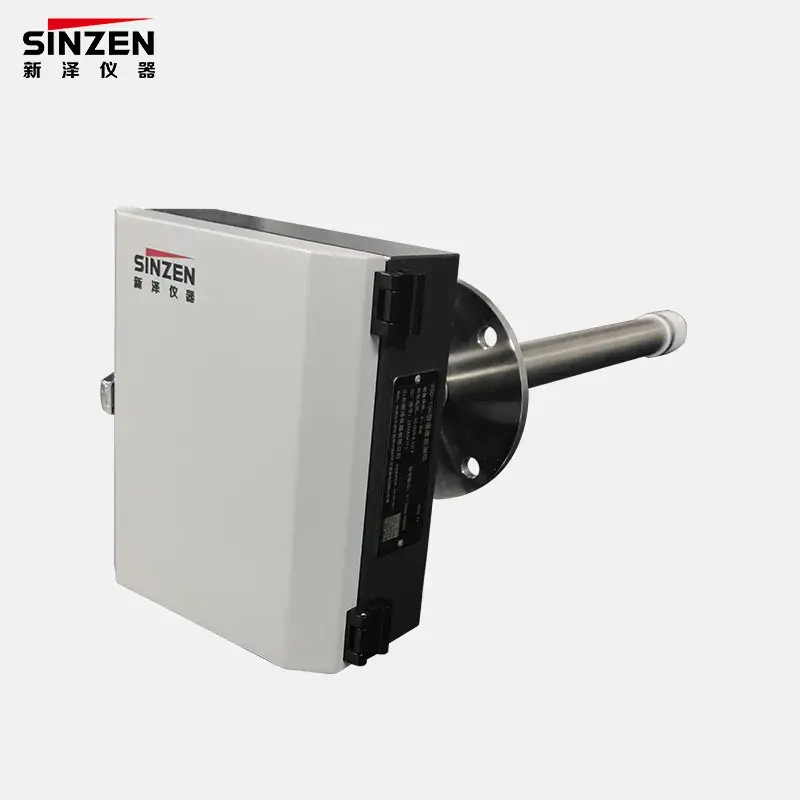
| Tunable laser spectroscopy | Optical measurement where the selected absorption line, path and process conditions support oxygen measurement | Optical path, dust, pressure, temperature, alignment, measurement range and validation method |
This comparison is a screening step, not a universal ranking. The right principle depends on the complete gas matrix and installation. For example, an analyzer chosen for clean dry gas may require a different sample system when the actual stream carries condensate or particles. Conversely, an in-situ arrangement may avoid transport delay but introduce access, temperature and optical-path constraints.
Wet and Dry Measurement Basis Can Change the Reported Value
Water vapor occupies part of the gas volume. Removing moisture in an extractive sample system can therefore change the concentration basis even when the amount of oxygen entering the system has not changed. A project that compares a dry-basis analyzer result with a wet-basis process expectation can create an apparent discrepancy that is not an analyzer fault.
The RFQ should state whether oxygen is required on a wet or dry basis and how any correction will be made. The supplier should show where cooling, condensation and moisture measurement occur. If the system dries the gas, the buyer also needs to know whether the other reported components use the same basis.
Condensation is more than a calculation issue. Liquid can block filters, alter pump performance, damage unsuitable sensors and lengthen recovery after an upset. Heated extraction, cooling and condensate removal are different design approaches; none should be assumed until the gas dew point and ambient conditions are known.
Air Ingress Can Be More Important Than Analyzer Accuracy
An extractive oxygen measurement is unusually sensitive to leaks whenever the process oxygen level differs substantially from ambient air. A small leak at a fitting, pump seal or filter housing can pull air into a line under vacuum and produce a high oxygen reading. Replacing the analyzer will not correct that error if the sampling path remains open to ambient air.
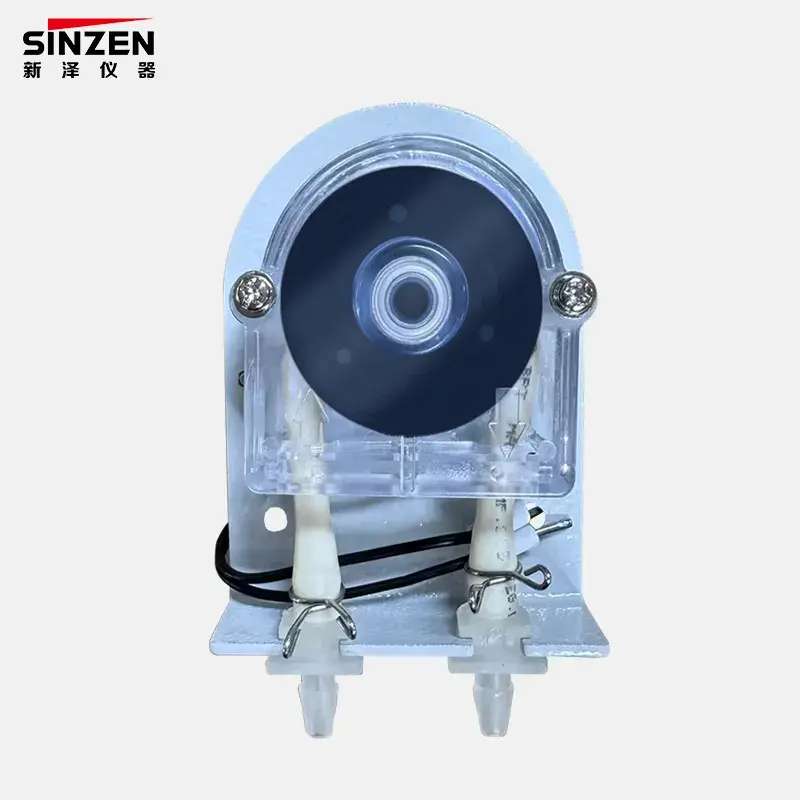
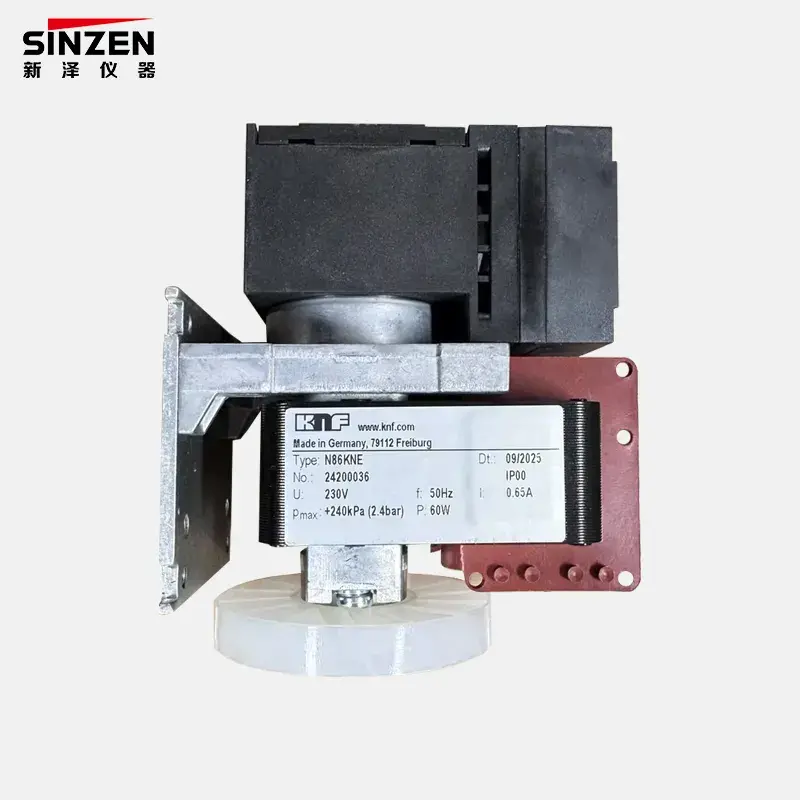
Sample pressure, flow and vent conditions also interact. Some measurement cells respond to pressure or require a controlled flow range. A downstream restriction can raise cell pressure; a strong pump can increase the tendency to draw air through a marginal connection. The supplier’s flow diagram should identify the probe, filters, cooler or heater, pump, flow control, analyzer cell and vent so these relationships can be reviewed as one system.
Leak testing should cover the assembled path, not only individual components. For low-oxygen service, the acceptance plan may need a tighter leak criterion and a longer stabilization check than a combustion application operating near ambient oxygen levels. The requirement must be tied to the project’s allowable measurement uncertainty.
Performance Specifications Need Conditions and Test Methods
Accuracy is only one performance field. A useful analyzer specification also addresses range, resolution, repeatability, linearity, zero and span drift, response time, warm-up, interference, ambient limits and calibration frequency. Each figure should be associated with defined test conditions; otherwise two suppliers can quote similar numbers measured under different circumstances.
Response time deserves particular care. The displayed response includes transport through the probe and tubing, filters, moisture handling, flow rate, cell volume, signal filtering and data-system update interval. A fast sensor installed behind a long low-flow line may still deliver a slow project response. Ask for both analyzer-cell response and expected complete-system response when timing affects control or alarms.
Interference review should use the actual gas matrix. “No interference” is too broad unless the supplier has defined the gases and concentration ranges considered. Request a written list of known cross-sensitivities or limitations, including the effect of moisture and pressure where relevant.
Calibration Must Exercise the Same Path Used for Measurement
A calibration gas that reaches only the analyzer cell checks the instrument but may not reveal leaks, adsorption or response delay in the sample line. Introducing zero and span gas through the normal measurement path provides stronger evidence for the complete system, although the project may also retain a direct-cell calibration connection for maintenance.
EPA Method 3A illustrates the principle for stationary-source instrumental O2 and CO2 measurements: data quality depends on documented equipment, sample collection, calibration, quality control and analysis procedures. It applies only where that method is required or selected for the stated emissions measurement; it is not a universal certification for every oxygen analyzer. Its procurement lesson is broader: calibration gases, injection point, sequence, acceptance limits and records must be specified together.
Confirm the required calibration-gas certificates, cylinder connections, regulators, flow control and automated or manual sequence. If the analyzer supports auto-calibration, the quotation should state which valves, relays, software functions and gas-handling components are included rather than treating “auto calibration” as a single feature.
Review the Analyzer as Part of the Plant Control System
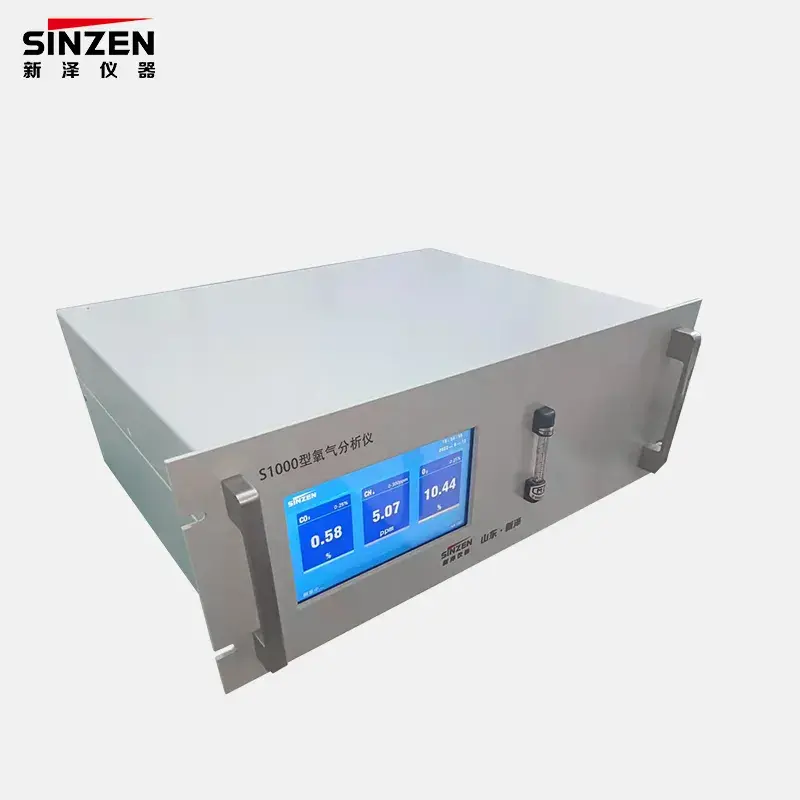
The measurement must reach the user in a usable form. Define power supply, analog output range, digital protocol, relay contacts, alarm logic, fault signal, data update rate and any local display or recorder requirements. A 4–20 mA signal also needs a documented mapping between current and oxygen range. If multiple ranges are selectable, the control system must know which range is active.
SINZEN’s S1000 Oxygen Analyzer is presented with paramagnetic, ion-current and electrochemical sensor options. That breadth makes the project input especially important: the supplier must identify the offered sensor principle, range, sample requirements and interface for the specific quotation rather than leaving the model family undefined.
Fault behavior should be separated from process alarms. A high-oxygen alarm, a calibration failure, low sample flow and an analyzer fault do not represent the same plant condition. The I/O list should show how each state is communicated and whether maintenance mode suppresses or flags outputs during calibration.
Use a Three-Part Acceptance Plan
A practical acceptance plan connects documents, factory checks and site checks. Document review confirms the configuration before manufacture. Factory testing demonstrates the analyzer and included sample-handling functions under agreed conditions. Site acceptance verifies the installed sample path, utilities, signals, calibration sequence and response in the actual project environment.
- Configuration review: approved datasheet, measurement principle, range, gas matrix, sample-system flow diagram, wetted materials, utility list and I/O schedule.
- Factory evidence: zero and span checks, repeatability or response checks where specified, alarm and relay functions, software or protocol verification and a deviation record.
- Site verification: leak check, sample flow, heat tracing or cooling, vent arrangement, calibration through the intended path, signal mapping and comparison with an agreed reference where required.
The acceptance limits must be written before testing. “Pass calibration” is incomplete without gas values, tolerances, stabilization time and the point at which the gas is introduced.
Frequently Asked Questions
Is an infrared gas analyzer automatically an oxygen analyzer?
No. Infrared absorption commonly measures gases such as CO and CO2, while the oxygen channel in a multigas analyzer may use a separate paramagnetic, zirconia or electrochemical sensor. Tunable laser systems can measure oxygen in suitable configurations. The quotation should name the oxygen principle explicitly.
Should oxygen concentration be specified on a wet or dry basis?
Yes. Moisture removal changes the concentration basis, so the process expectation, analyzer result and regulatory or control calculation need to use the same basis or a defined correction. The sample-system drawing should show where moisture is removed or measured.
Can the same oxygen analyzer be used for both process control and compliance monitoring?
Possibly, but it cannot be assumed. The range, response, availability, calibration, data handling and applicable regulatory performance requirements must satisfy both purposes. Some projects use separate measurements because the control and compliance tasks impose different priorities.
What documents should be approved before an oxygen analyzer order?
At minimum, approve the offered datasheet, measurement principle, range and performance conditions, gas-matrix review, sample-system flow diagram, wetted materials, utility requirements, I/O schedule, calibration plan, test scope and deviation list. Project-specific requirements may add drawings, certificates or site procedures.
Send a Measurement Specification, Not Only a Product Name
For a comparable oxygen analyzer quotation, provide the measurement objective, application, gas composition, expected oxygen range, wet or dry basis, process and ambient conditions, sample pressure, dust and moisture, required response, area classification if applicable, utilities, communication and alarm requirements, calibration approach, quantity, documentation and acceptance plan. Ask the supplier to return the selected principle, complete offered range, sample-handling scope, stated interferences, consumables, maintenance requirements, included I/O, test evidence and every deviation.
Once those fields are aligned, price and delivery can be compared against the same technical scope. Buyers can submit the gas matrix and project requirements through SINZEN’s technical analyzer inquiry form for configuration confirmation.