Online Flue Gas Detection Equipment is a fixed monitoring system designed to continuously measure gases and related parameters in industrial exhaust streams. It is commonly installed in chimneys, stacks, ducts, boilers, furnaces, incinerators, kilns, power-generation units, and other emission sources.
The equipment collects flue-gas data in real time or at scheduled intervals, helping operators understand combustion conditions, identify abnormal emissions, improve process control, and support environmental-management requirements. Depending on the application, an online system may measure oxygen, carbon monoxide, carbon dioxide, nitrogen oxides, sulfur dioxide, hydrogen sulfide, hydrocarbons, particulate matter, temperature, pressure, flow, humidity, and other relevant parameters.
Unlike a handheld gas detector used for temporary checks, an online flue gas monitoring system is intended for continuous, long-term installation at a designated sampling or measurement point.
Why Is Online Flue Gas Detection Important?
Industrial combustion and thermal processes can produce complex flue gases. Their composition may change with fuel quality, air supply, operating load, process temperature, equipment condition, and maintenance status.
Without reliable monitoring, operators may have limited visibility into whether a system is burning efficiently or producing unexpected emissions. Online Flue Gas Detection Equipment provides useful data that can support faster operational decisions.
Its key purposes include:
- Monitoring exhaust-gas composition continuously
- Detecting abnormal changes in combustion conditions
- Supporting energy-efficiency improvement
- Helping identify equipment faults or process instability
- Recording emissions data for internal management
- Supporting environmental compliance planning
- Improving safety around potentially hazardous gases
- Providing trend data for maintenance and process optimization
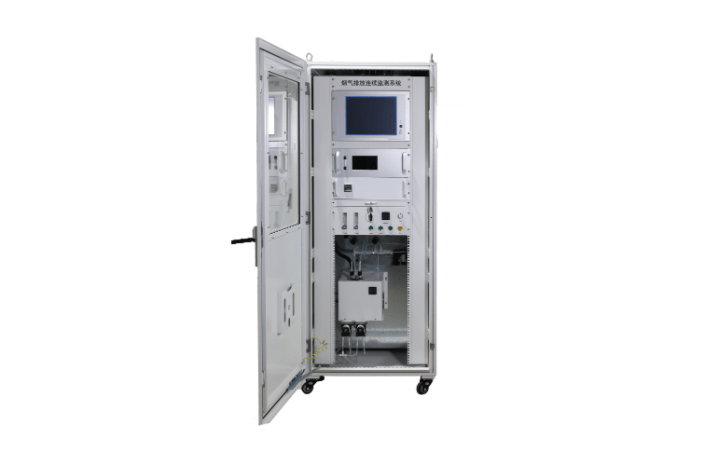
An online flue gas system measures gas concentrations through sensors or analyzers installed directly in the flue path or connected through a sampling system.
The exact configuration depends on the gas type, temperature, dust level, moisture level, pressure, measurement range, and installation environment.
A typical system may include:
| Component |
Main Function |
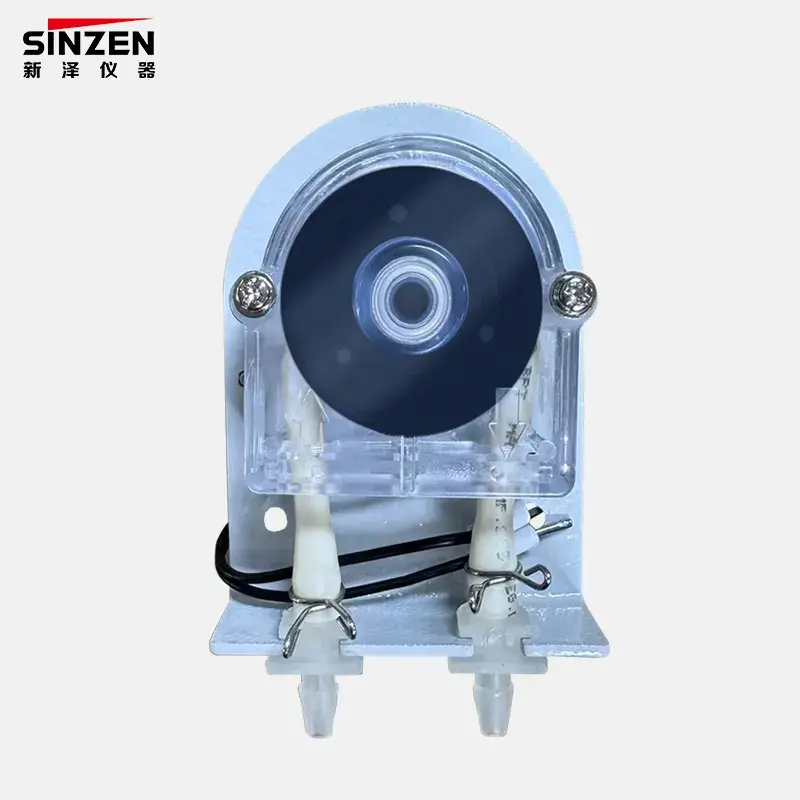
| Sampling probe |
Extracts a representative gas sample from the stack or duct |
| Heated sampling line |
Helps maintain sample conditions and reduce condensation risk |
| Gas conditioning unit |
Removes or controls moisture, dust, and other interfering materials where needed |
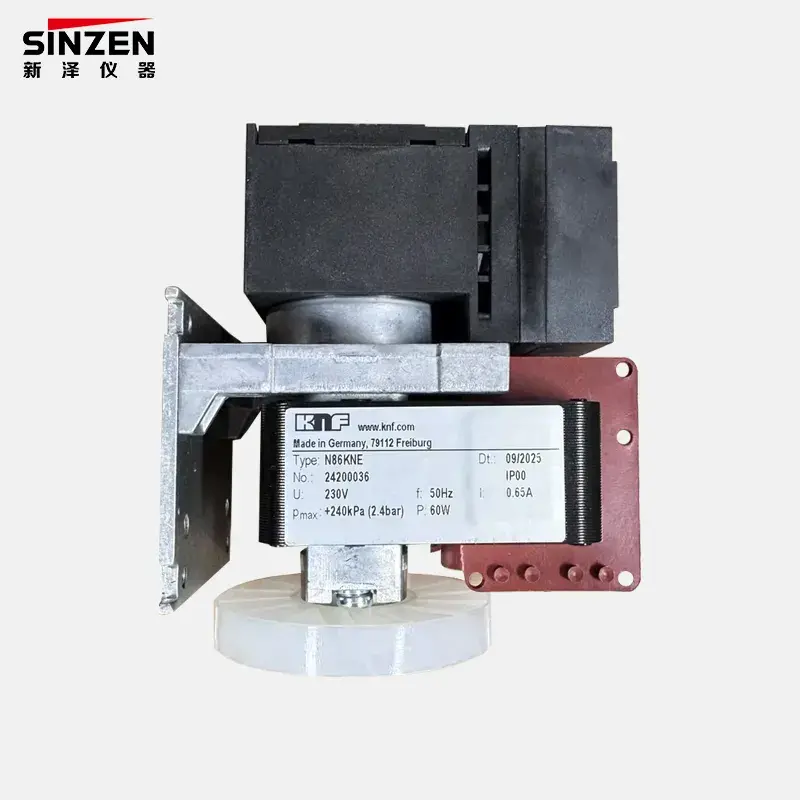
| Gas analyzer |
Measures selected gases using a suitable detection principle |
| Flow, temperature, and pressure instruments |
Provide supporting process data |
| Data acquisition unit |
Records, displays, transmits, and stores monitoring results |
| Alarm or control interface |
Sends warnings or signals when set limits are exceeded |
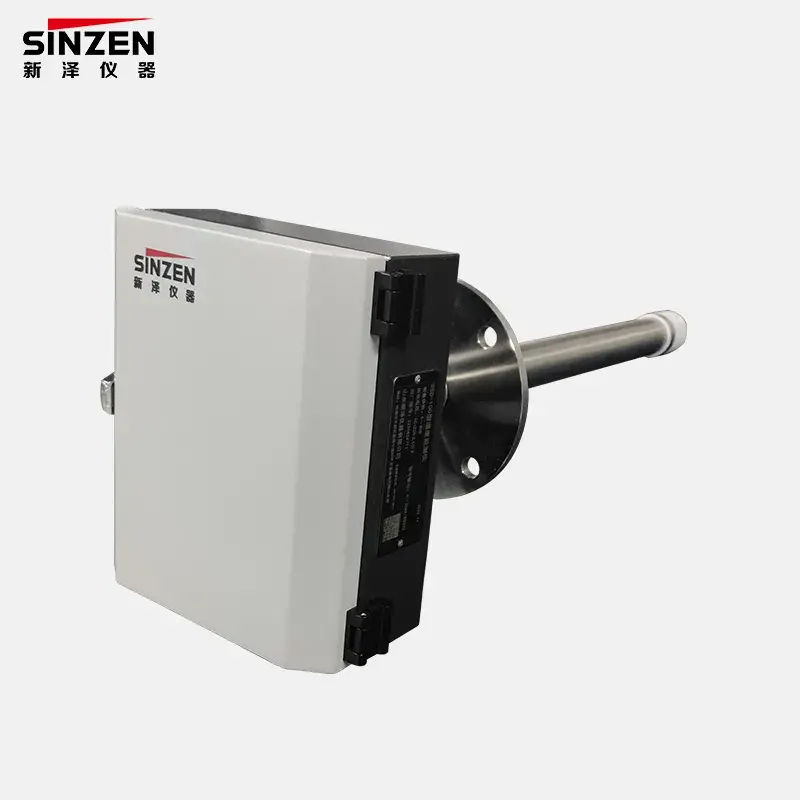
Some applications use extractive measurement, where gas is drawn from the flue and analyzed in a conditioned sample stream. Others use in-situ measurement, where the analyzer measures directly in the duct or stack. The best choice depends on process conditions and required measurement performance.
What Gases Can Be Measured?
The gases measured by Online Flue Gas Detection Equipment depend on the fuel, process, industry, and monitoring objective.
Common parameters include:
Oxygen (O₂)
Oxygen measurement is important for evaluating combustion efficiency. Too much oxygen may indicate excess air and heat loss, while too little oxygen may contribute to incomplete combustion.
Carbon Monoxide (CO)
Carbon monoxide can be a sign of incomplete combustion. Monitoring CO can help operators identify poor air-fuel balance, burner problems, or unstable process conditions.
Carbon Dioxide (CO₂)
Carbon dioxide data can support combustion analysis and fuel-use evaluation. It may also be included in emissions reporting or carbon-management programs.
Nitrogen Oxides (NOx)
Nitrogen oxides are commonly monitored in combustion processes because they may be generated at high temperatures. NOx control is often an important focus for boilers, furnaces, engines, turbines, and power-generation equipment.
Sulfur Dioxide (SO₂)
Sulfur dioxide may be present when fuels contain sulfur. Monitoring SO₂ can be important in coal-fired, oil-fired, waste-incineration, metallurgical, and chemical-processing applications.
Hydrogen Sulfide (H₂S)
Hydrogen sulfide is toxic and corrosive. It may be relevant in waste treatment, biogas, petrochemical, refinery, and other sulfur-containing process environments.
Particulate Matter and Dust
Some flue-gas monitoring systems also measure particulate matter. Dust monitoring can help assess filtration performance and identify potential issues with dust collectors, bag filters, electrostatic precipitators, or process containment.
Where Is Online Flue Gas Detection Equipment Used?
Online flue-gas monitoring is widely used across industrial sectors where combustion, heating, chemical reactions, or waste treatment produce exhaust gases.
Typical applications include:
- Industrial boilers
- Thermal power plants
- Cement plants
- Steel mills and metal-processing facilities
- Waste-incineration plants
- Chemical and petrochemical facilities
- Oil and gas processing sites
- Glass manufacturing plants
- Brick and ceramic kilns
- Pulp and paper mills
- Biomass and biogas projects
- Industrial furnaces and drying systems
Each application requires a different measurement plan. A boiler may prioritize O₂, CO, NOx, and SO₂, while a waste-incineration system may need a broader group of gas, particulate, and process measurements.
What Are the Benefits of Continuous Flue Gas Monitoring?
A properly selected and maintained system can deliver value beyond emissions measurement alone.
Better combustion control
Real-time oxygen and carbon monoxide information can help operators adjust combustion air and fuel input more accurately. This may support more stable operation and reduce unnecessary fuel use.
Earlier fault detection
Unexpected changes in gas concentration can indicate burner wear, air leaks, incomplete combustion, fuel variation, filter problems, or process instability. Trend data can help maintenance teams investigate issues before they become more serious.
Improved process visibility
An online system creates a continuous record rather than relying only on manual spot checks. This makes it easier to compare operating shifts, identify recurring patterns, and evaluate the effect of process adjustments.
Support for environmental management
Many facilities need reliable emissions data for internal environmental programs, customer requirements, or local reporting obligations. The exact monitoring requirements vary by location, industry, fuel source, and authority, so the system should be specified according to the relevant project requirements.
How to Choose the Right Online Flue Gas Detection Equipment
Selecting the right system requires more than choosing a gas list. The equipment must match the real operating environment.
Consider the following factors:
- Target gases and measurement ranges
Define which gases must be measured and the expected minimum and maximum concentrations.
- Flue-gas temperature and pressure
High temperatures, negative pressure, and changing process conditions can affect probe, line, analyzer, and enclosure selection.
- Dust, moisture, and corrosive components
Wet, dirty, corrosive, or high-dust gas streams may require special sampling probes, filtration, heated lines, and gas conditioning.
- Measurement method
Select extractive, in-situ, or cross-stack measurement based on the process, response-time needs, maintenance capability, and measurement objective.
- Installation location
The monitoring point should provide a representative gas sample and allow safe access for installation, inspection, calibration, and maintenance.
- Data communication requirements
Consider local displays, alarms, PLC or DCS integration, remote data access, data logging, and reporting formats.
- Calibration and maintenance needs
Routine calibration, zero checks, span checks, filter replacement, probe cleaning, and preventive maintenance should be included in the operating plan.
- Future expansion
If the facility may add new fuels, production lines, or reporting requirements, choose a system that can be upgraded where practical.
Why Maintenance and Calibration Matter
Even high-quality Online Flue Gas Detection Equipment needs regular maintenance to provide dependable data. Dust accumulation, moisture condensation, sample-line blockage, sensor drift, damaged filters, leaks, and unsuitable installation conditions can all affect measurement quality.
A sound maintenance plan should include:
- Routine visual inspection
- Analyzer status review
- Calibration checks
- Sampling probe inspection and cleaning
- Filter and consumable replacement
- Sample-line leak checks
- Data quality review
- Recordkeeping for service and verification activities
The required maintenance frequency depends on the process environment and analyzer design. Systems operating in high-dust, high-moisture, or corrosive environments often need more frequent attention.
Conclusion
Online Flue Gas Detection Equipment is used to continuously monitor the composition and condition of industrial exhaust gas. It helps facilities improve combustion control, identify abnormal conditions, manage emissions data, and make better operational decisions.
The most suitable system depends on the gases to be measured, fuel type, process temperature, dust and moisture levels, installation location, measurement method, and maintenance capability. A carefully designed solution can provide more reliable data and stronger long-term value for industrial operations.
For support with selecting an online flue gas monitoring solution for your application, please contact our team.
FAQ
What is the difference between online and portable flue gas detection equipment?
Online equipment is permanently installed for continuous or scheduled monitoring, while portable equipment is generally used for temporary testing, troubleshooting, inspections, or field checks.
Can online flue gas detection equipment measure multiple gases?
Yes. Many systems can be configured to measure multiple gases and supporting parameters, depending on the analyzer technology and application requirements.
Is an extractive or in-situ flue gas analyzer better?
Neither is universally better. Extractive systems can be suitable where sample conditioning and centralized analysis are needed, while in-situ systems may be useful for direct measurement in the gas path. The best method depends on process conditions and monitoring goals.
How often should a flue gas monitoring system be calibrated?
Calibration frequency depends on the analyzer type, process environment, local requirements, and manufacturer guidance. Facilities should establish a documented calibration and maintenance schedule for their specific system.