Direct Answer: A carbon monoxide analyzer for coal mill safety monitoring should be specified around the actual measurement point, expected CO range, dust and moisture conditions, sample transport, response-time requirement, alarm integration, maintenance access, and system failure handling. The key purchasing decision is not simply whether the instrument measures CO, but whether the complete measurement chain can provide reliable and timely data under real coal-handling conditions.
Coal mills, pulverized-coal systems, silos, bunkers, and related fuel-handling equipment can create demanding gas-monitoring conditions. Dust, changing process temperature, moisture, long sample lines, air ingress, and difficult maintenance access can all affect measurement quality.
For project buyers, EPC contractors, cement plants, power plants, and system integrators, selecting a carbon monoxide analyzer therefore requires a system-level review rather than a model-only comparison.
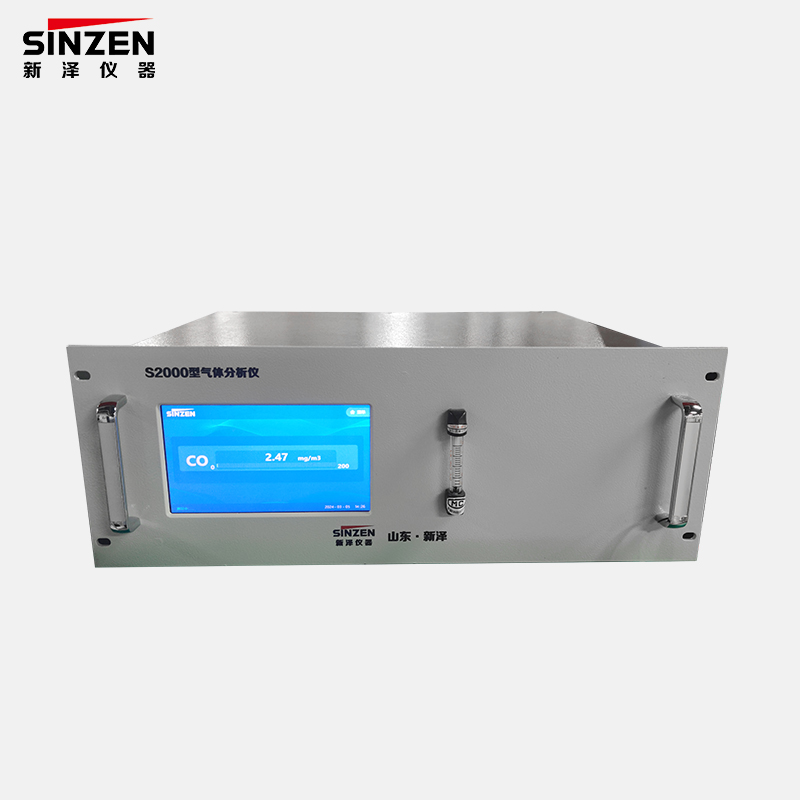
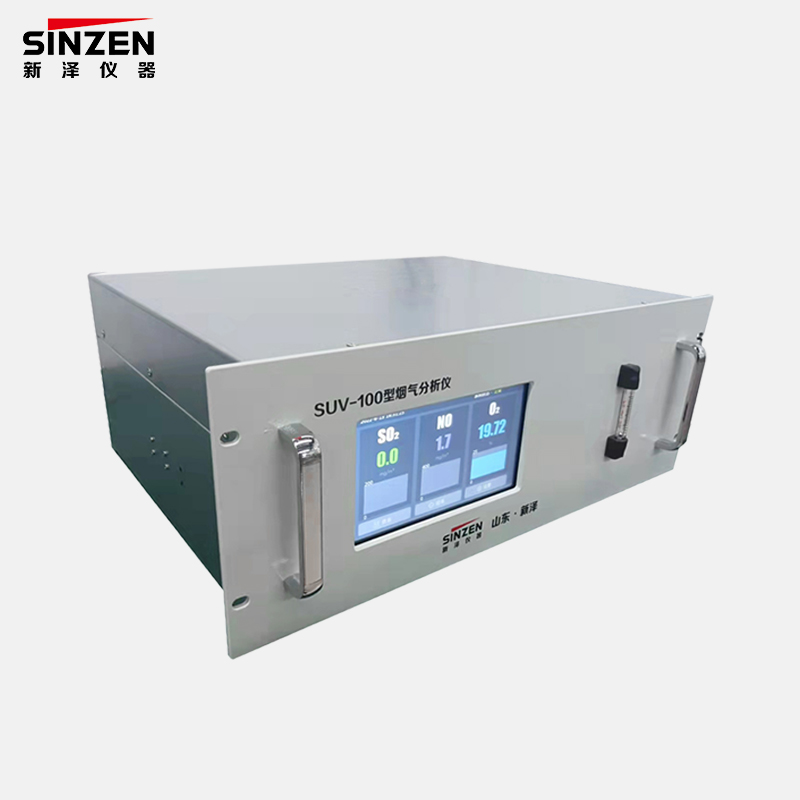
SINZEN’s Carbon Monoxide (CO) Analyzer can be evaluated together with the broader Gas Analyzer range when preparing an industrial monitoring RFQ.
Why Is CO Monitoring Different in a Coal Mill Application?
Coal mill CO monitoring is usually connected with abnormal combustion, smoldering material, or another developing process condition that the plant wants to detect before it becomes more serious.
That makes the measurement objective different from a simple ambient-gas alarm.
The buyer normally needs to answer several questions first:
- Where should the gas be measured?
- Is the sample representative of the process condition?
- How much dust and moisture will reach the sampling system?
- How quickly must a process change appear at the analyzer output?
- How will the signal be used by the PLC, DCS, local alarm panel, or plant monitoring system?
- What happens when sample flow is lost or the analyzer requires maintenance?
A technically suitable CO sensor inside an unsuitable sampling system can still produce slow, unstable, or misleading information.
Where Should the CO Measurement Be Taken?
Sampling position is one of the most important project decisions.
A convenient installation location is not automatically a representative measurement point. Depending on the plant design, possible monitoring locations may include coal-handling ducts, mill-related process lines, pulverized-coal transport sections, silos, or other points identified by the process and safety engineering team.
Before requesting a quotation, the buyer should provide:
- Process equipment being monitored
- Proposed sampling location
- Normal operating condition
- Startup and shutdown condition
- Expected pressure or draft
- Dust loading
- Moisture condition
- Available maintenance access
- Distance from the sampling point to the analyzer cabinet
The plant designer or safety engineer should determine the final monitoring location for the specific process. The analyzer supplier should then verify whether the proposed sampling arrangement is compatible with the gas condition.
How Do Dust and Moisture Affect a Coal Mill CO Analyzer?
Coal-handling gas streams can contain significant particulate matter. If dust enters the sampling path without suitable control, it can affect filters, tubing, pumps, flow stability, and analyzer maintenance.
Moisture introduces a different problem. Uncontrolled cooling can cause condensation inside the sample path. Condensate may restrict flow, increase maintenance requirements, or change the condition of the sample before it reaches the analyzer.
For this reason, the RFQ should not simply say:
“CO Analyzer for Coal Mill.”
It should state the expected sample condition and ask the supplier to define the proposed sample-handling method.
Depending on the application, buyers may need to evaluate:
| Process Condition | Possible Risk | Buyer Should Confirm |
| High dust loading | Filter blockage and reduced sample flow | Filtration method, cleaning access and spare filters |
| High moisture | Condensation in tubing or equipment | Moisture-handling and condensate strategy |
| Variable temperature | Uncontrolled cooling or material limitations | Probe, line and conditioning design |
| Long sampling distance | Slow response and contamination risk | Sample flow, line routing and expected system response |
| Negative or changing pressure | Unstable sample extraction | Pump and flow-control arrangement |
| Difficult access | Long maintenance downtime | Filter, pump and calibration access |
The exact configuration should be confirmed against the real project conditions rather than assumed from a standard diagram.
Why Should Buyers Specify System Response Time, Not Just Analyzer Response?
One common RFQ mistake is asking only for the analyzer’s stated response time.
In an extractive monitoring system, the actual process-to-output response can also depend on:
- Sampling probe volume
- Sample-line length
- Sample flow
- Filter condition
- Pump performance
- Moisture-conditioning equipment
- Analyzer internal response
- Signal averaging
- PLC or DCS processing
A fast analyzer connected to a long, low-flow or heavily filtered sample path may still provide slow process information.
For a safety-monitoring application, buyers should therefore ask:
What is the expected complete-system response from the process sampling point to the usable output signal?
The supplier should state the assumptions behind that response rather than quoting only the analyzer cell performance.
How Should Alarm and Control-System Integration Be Defined?
The CO analyzer normally forms only one part of the monitoring architecture.
Before ordering, clarify how the measurement will be used:
- Local indication only
- Remote monitoring
- PLC input
- DCS input
- Alarm panel integration
- Plant historian or trend recording
- Process interlock logic designed by the plant engineering team
The RFQ should also define which analyzer or system-status signals are required.
Examples may include:
- Measurement output
- Analyzer fault
- Low sample flow
- Maintenance status
- Calibration or verification status
The plant’s safety and control engineers remain responsible for determining alarm philosophy, interlock logic, and plant response. The analyzer supplier should provide the available measurement and status interfaces needed for that design.
What Sample-Handling Equipment Should Be Included in the Quote?
This is where apparently similar quotations often become difficult to compare.
One supplier may quote only the analyzer.
Another may include:
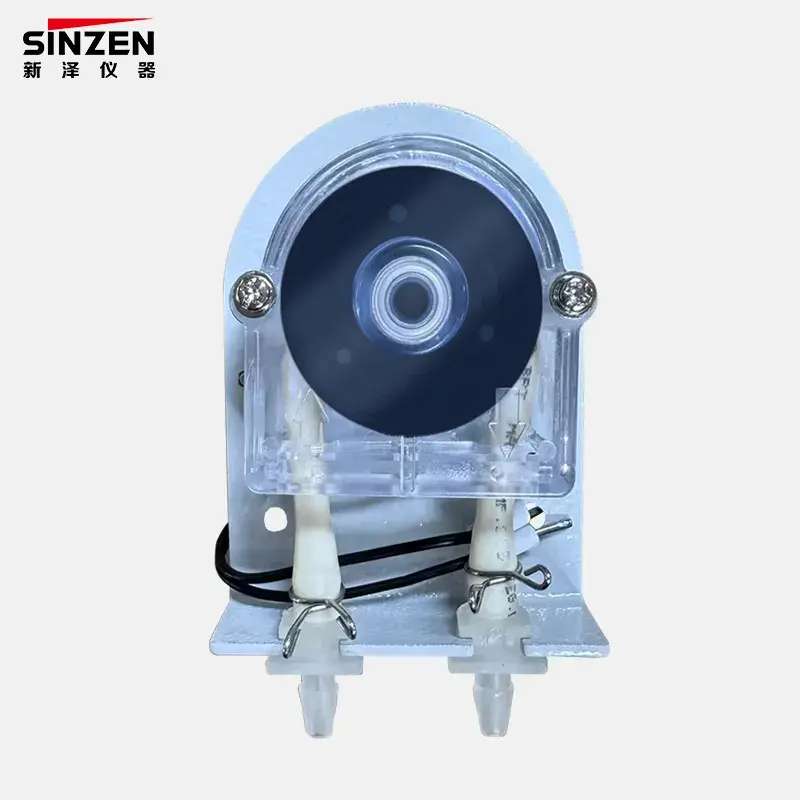
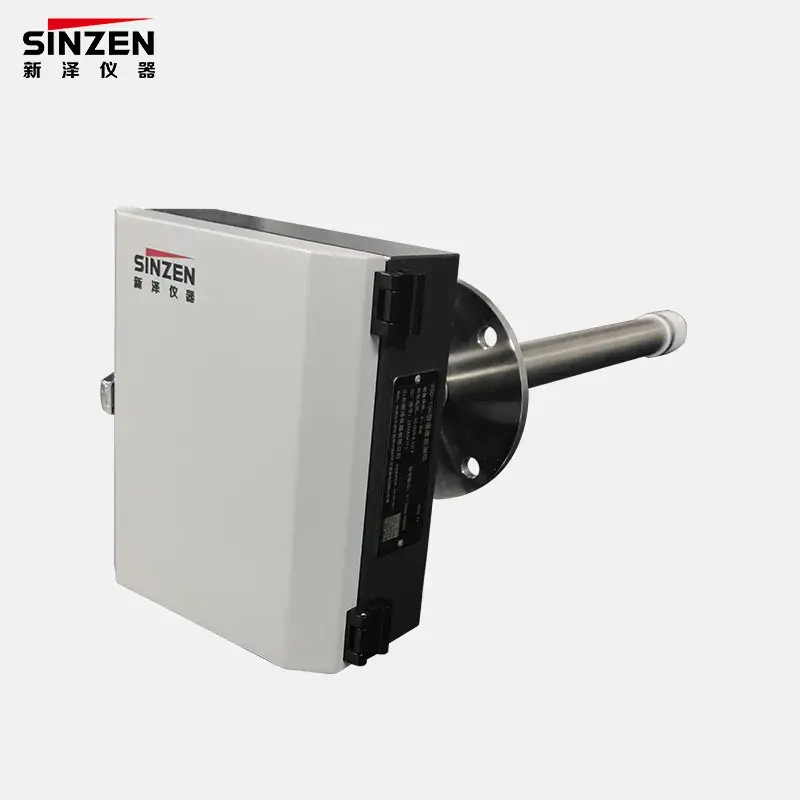
- Sampling probe
- Filter
- Sample tubing
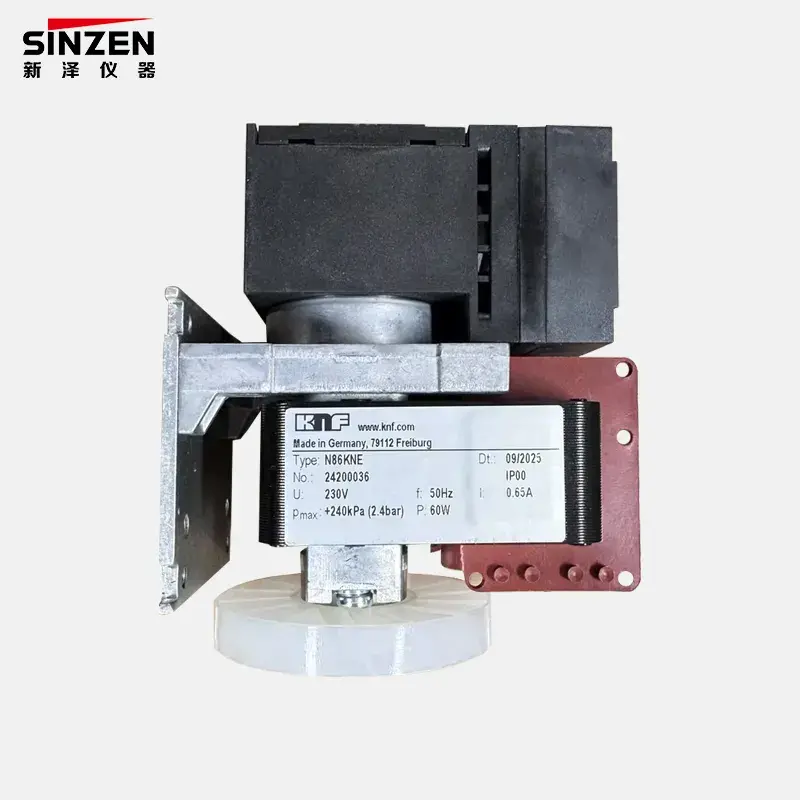
- Pump
- Flow control
- Moisture-conditioning components
- Calibration interfaces
- Analyzer cabinet
- Signal integration components
- Initial spare parts
The instrument prices may therefore be very different even though both quotations say “CO analyzer.”
A better comparison is:
Complete measurement scope vs. complete measurement scope.
Not:
Analyzer price vs. analyzer price.
For larger projects, buyers can also review SINZEN’s Gas Analysis System range when the requirement extends beyond a standalone analyzer.
Which Maintenance Questions Should Be Answered Before Purchase?
Coal-mill monitoring equipment may operate in a dirty and maintenance-sensitive environment. The lowest initial price can become expensive if routine service requires frequent shutdowns or difficult access.
Before approval, buyers should clarify:
- How is the sample filter inspected or replaced?
- How is sample flow checked?
- What maintenance does the sample pump require?
- How is condensation handled where applicable?
- How is the analyzer verified or calibrated?
- What consumable or spare parts are recommended?
- Can the sampling system be isolated safely for maintenance?
- What system-status information is available during a fault?
Maintenance requirements should be evaluated together with analyzer performance.
Five RFQ Mistakes That Can Cause a Poor Coal Mill CO Monitoring System
1. Specifying only the gas component
“CO analyzer required” is not enough.
The supplier also needs the sampling point, gas condition, process purpose, and installation environment.
2. Ignoring sampling distance
A long sample line can affect response time and maintenance.
The actual routing distance should be provided, not only the straight-line distance between the mill and analyzer room.
3. Treating dust filtration as a minor accessory
Filter selection and maintenance access can strongly influence system availability.
4. Comparing quotations without comparing scope
An analyzer-only quotation and a complete sample-conditioning cabinet are not directly comparable.
5. Forgetting failure-state signals
For monitoring systems, buyers should know how the control room can distinguish a valid low CO reading from an unavailable measurement caused by low flow, analyzer fault, or maintenance.
Representative Scenario: Why Can a New CO Analyzer Still Give Poor Monitoring Results?
Scenario: A cement plant plans continuous CO monitoring for a coal-mill-related process point. This is a representative industrial scenario, not a claimed SINZEN customer case.
Business Background: The plant requests quotations for a CO analyzer and expects the measurement to support early identification of abnormal process conditions.
Problem: After comparing proposals, the buyer finds a large price difference between suppliers. One quote includes only the analyzer, while another includes a probe, filtration, pump, conditioning components, cabinet, and signal interfaces.
Cause: The original RFQ specified the target gas but did not define the sampling point, dust condition, sample distance, required system response, or integration boundary.
Solution: The buyer rewrites the RFQ around the complete measurement chain and asks each supplier to state included equipment, assumptions, exclusions, maintenance requirements, and expected process-to-output response.
Buyer Decision Value: The revised RFQ makes quotations technically comparable and reduces the risk of field modifications, slow response, excessive filter maintenance, or unclear system responsibility after installation.
What Should Be Included in a Coal Mill CO Analyzer RFQ?
| RFQ Item | Information to Provide | Why It Matters |
| Process application | Coal mill, pulverizer, silo, bunker or related process | Defines monitoring context |
| Monitoring objective | Early warning, process monitoring or another defined purpose | Determines measurement architecture |
| Measurement point | Drawing, photo or process description | Confirms sample representativeness and installation |
| CO range | Normal and expected abnormal conditions where known | Supports analyzer range selection |
| Gas temperature | Normal and maximum expected conditions | Affects probe and conditioning design |
| Dust condition | Approximate loading or process description | Affects filtration and maintenance |
| Moisture | Expected water-vapor or condensation condition | Affects sample transport |
| Pressure / draft | Available process information | Affects sample extraction |
| Sample-line distance | Actual approximate route | Affects response and line design |
| Required response | Process-to-output target | Allows system-level evaluation |
| Output / communication | Analog, digital or project-specific interface | Defines PLC/DCS connection |
| Status signals | Fault, flow, maintenance or other required indications | Supports monitoring reliability |
| Cabinet requirements | Indoor/outdoor, location and utilities | Defines system boundary |
| Maintenance constraints | Access, service intervals and local resources | Affects lifecycle cost |
| Commercial scope | Quantity, destination, commissioning, documentation | Makes quotations comparable |
How Should Buyers Evaluate Suppliers?
A useful supplier response should do more than provide a model number and unit price.
The proposal should clearly state:
- Which analyzer is proposed
- Which sampling components are included
- Which process assumptions were used
- Which information is still required from the buyer
- Expected system response basis
- Required utilities
- Calibration or verification method
- Routine maintenance requirements
- Recommended spare parts
- Signal and communication scope
- Installation and commissioning boundaries
- Explicit exclusions
This makes it easier for EPC contractors and plant buyers to identify whether competing proposals are actually equivalent.
SINZEN’s Flue Gas Analyzer and broader gas-analysis product range can also be reviewed where the project requires additional gas components or a more integrated monitoring architecture.
FAQ
Is a coal mill CO analyzer the same as a portable CO detector?
No. A coal mill monitoring project generally requires an industrial measurement arrangement designed around the process point, sample condition, signal integration, and maintenance requirements. A portable detector serves a different measurement purpose.
Can buyers choose the analyzer based only on CO range?
No. Measurement range is only one selection factor. Dust, moisture, sampling location, sample-line distance, pressure, required response, and maintenance can be equally important.
Why can two coal mill CO analyzer quotations differ significantly?
They may include different system boundaries. One quotation may cover only the analyzer while another includes sampling, filtration, pumping, conditioning, cabinet integration, calibration interfaces, and commissioning support.
Why is sample flow important?
An extractive analyzer depends on a representative and stable sample reaching the measurement cell. Abnormal flow can affect response and measurement availability, so buyers should ask how flow condition is monitored.
Should alarm thresholds be specified by the analyzer supplier?
Plant alarm philosophy and protective actions should be determined by the responsible process and safety engineering team. The analyzer supplier should provide the measurement performance, interfaces, and system-status signals required by that design.
What information should buyers send before requesting a quotation?
Send the process description, measurement location, expected CO range, gas temperature, dust, moisture, pressure, sample distance, response requirement, signal interface, cabinet environment, maintenance constraints, quantity, and destination.
Prepare a More Comparable CO Analyzer RFQ
For a project-specific review, buyers can start with SINZEN’s Carbon Monoxide (CO) Analyzer and provide the coal-mill process information through Contact Us.
Include the measurement point, expected CO range, process temperature, dust and moisture conditions, approximate sampling distance, required response, signal interface, maintenance constraints, quantity, and project destination.
SINZEN can then review which analyzer or gas-analysis system configuration should be evaluated and identify any missing application data before quotation.